Belgian Coastal Tram
Discover the Belgian coast by tram!


The Belgian coast lies in Flanders, within the province of West Flanders, and runs for about 65 kilometers along the North Sea, from the Dutch border in the northeast to the French border in the southwest. Though relatively short, the coastline is remarkably varied. Long, fine sandy beaches stretch out for hundreds of meters, backed by a protective belt of dunes that in places reaches up to 2.5 kilometers wide. Between these dunes and the sea lie ten seaside towns, each with its own rhythm and atmosphere, ranging from lively resorts to quieter stretches where the dunes dominate the view. Fishing harbours, yacht marinas, and small residential areas punctuate the coastline, adding to its layered character.
A defining feature of the region is the Kusttram, the coastal tram that has become something of an attraction in itself. Covering the entire 67-kilometer route, it links Knokke in the east with De Panne in the west.
Stopping no fewer than 67 times along the way. It is the longest tram line in the world: The full journey takes about two and a half hours, but few passengers ride it without hopping off to explore. A day ticket, currently priced at €9, allows unlimited travel, making it a practical and relaxed way to experience the coast without a car.
The ride offers more than just convenience. Between Ostend and Middelkerke, the tram runs with open views of the sea, so close that the sound of the surf accompanies the journey. Elsewhere it winds through streets and residential quarters, giving a glimpse of everyday coastal life, or runs quietly behind the dune belt, where the landscape feels more open and natural. For many visitors, the tram itself becomes part of the coastal experience: a slow, scenic thread connecting beaches, towns, and landscapes into one continuous line.
00:00
railway station, center of Knokke, shopping
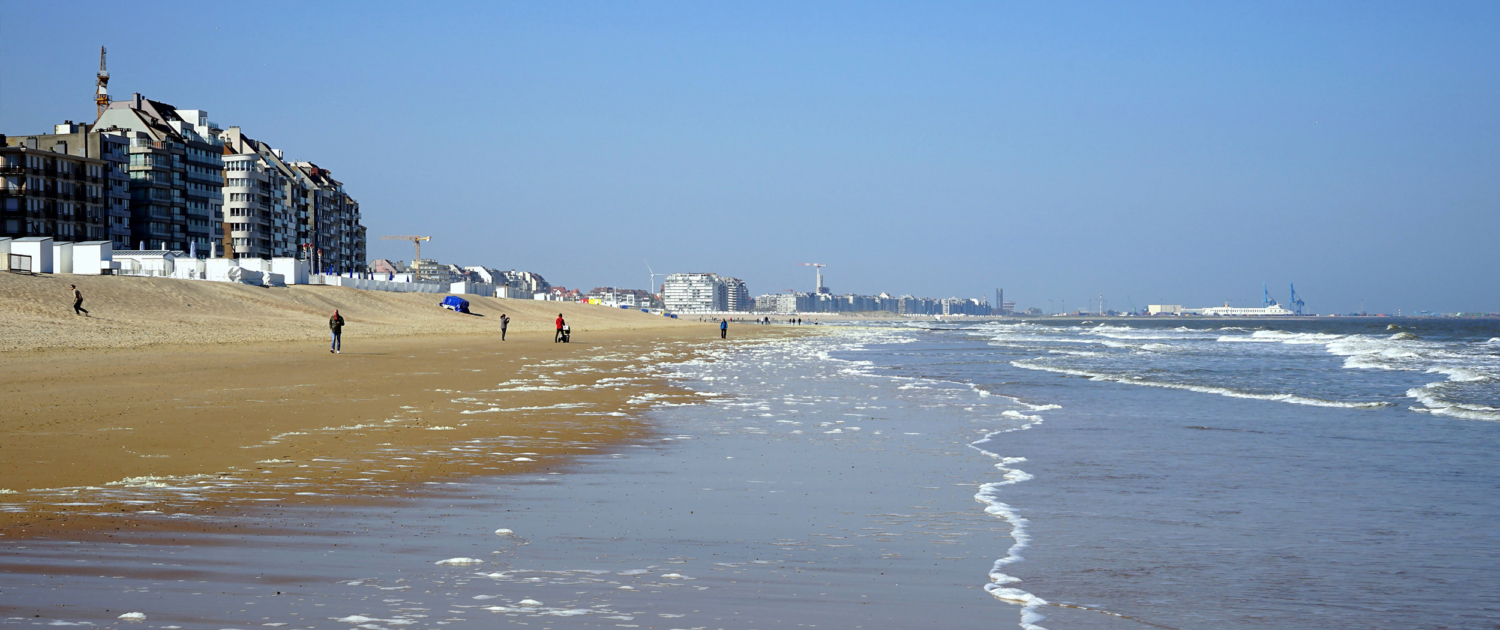
© Martin Debus – stock.adobe.com
00:03
stunning villa district
00:07
center of Heist, beach
00:23
famous pier, beach
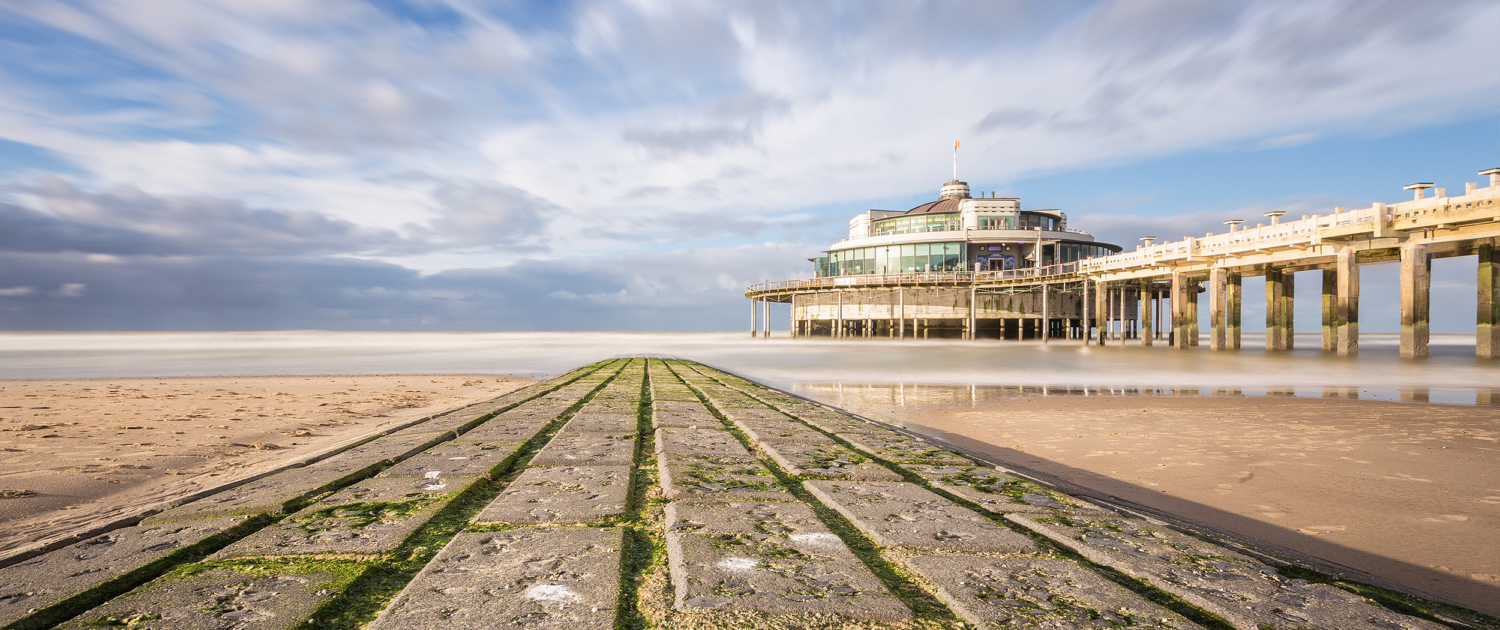
© Massimiliano Agati – stock.adobe.com
00:26
railway station, center, shopping
00:29
market, marina
00:46
historic belle époque center
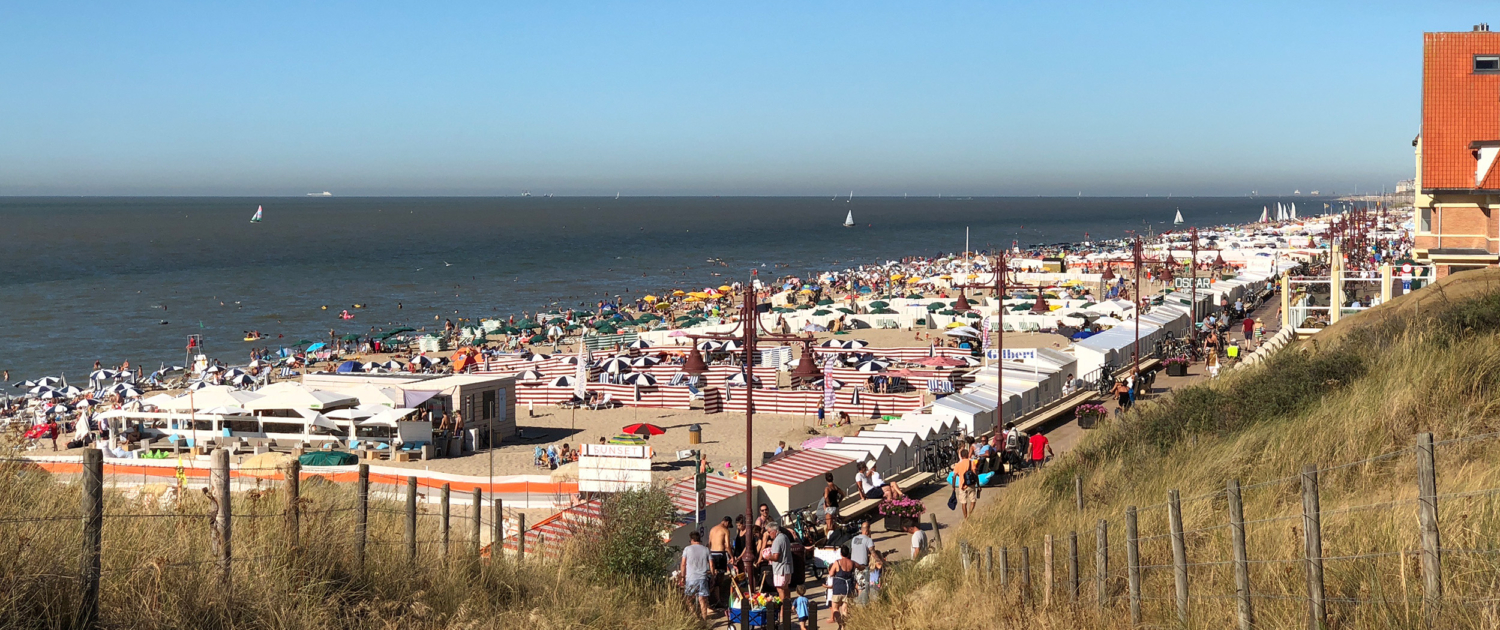
© visitbelgium.net
00:55
center, beach
01:10
railway station, marina, impressive church, fish market, pier

© visitbelgium.net
01:14
center, shopping, casino

© visitbelgium.net
01:34
center, casino, beach
01:56
beach
02:04
center, beach
02:19
center, beach

© Flaviu Boerescu – stock.adobe.com
02:29
amusement park
02:30
railway station


 © VisitBelgium.net

 © VisitBelgium.net
 © VisitBelgium.net
 © VisitBelgium.net