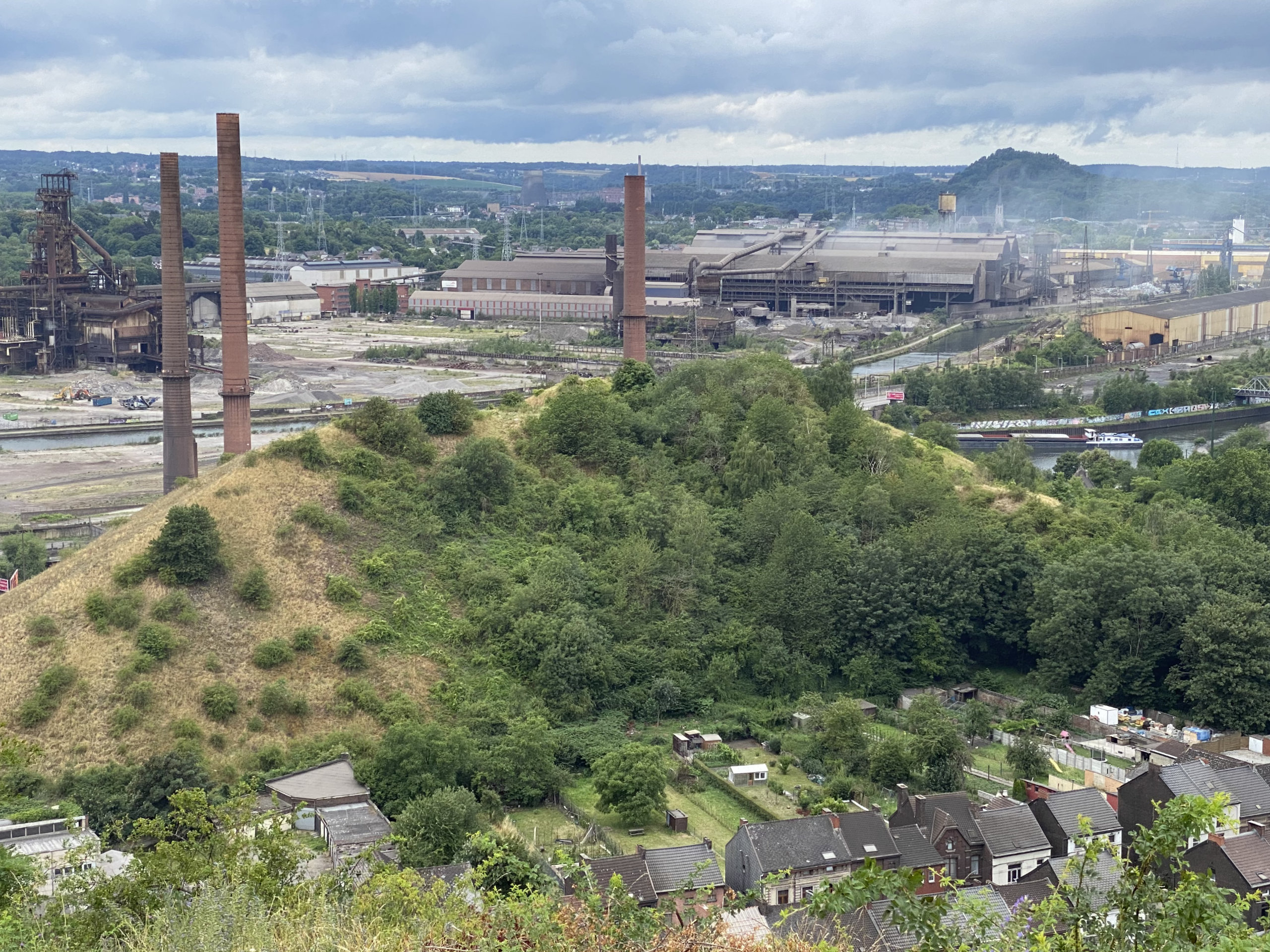
Wallonia is the French-speaking southern part of Belgium, with around 3.7 million inhabitants, bordering France, Luxembourg, and Germany. In the past, Wallonia was considered the engine of Belgium, one of the key centers of the Industrial Revolution. However, with the decline of heavy industry in the 20th century, a profound structural transformation began, the consequences of which are still visible today.
The Image of Wallonia
Internationally, Wallonia stands in the shadow of the other parts of the country. While cities like Brussels, Bruges, and other…
read more 
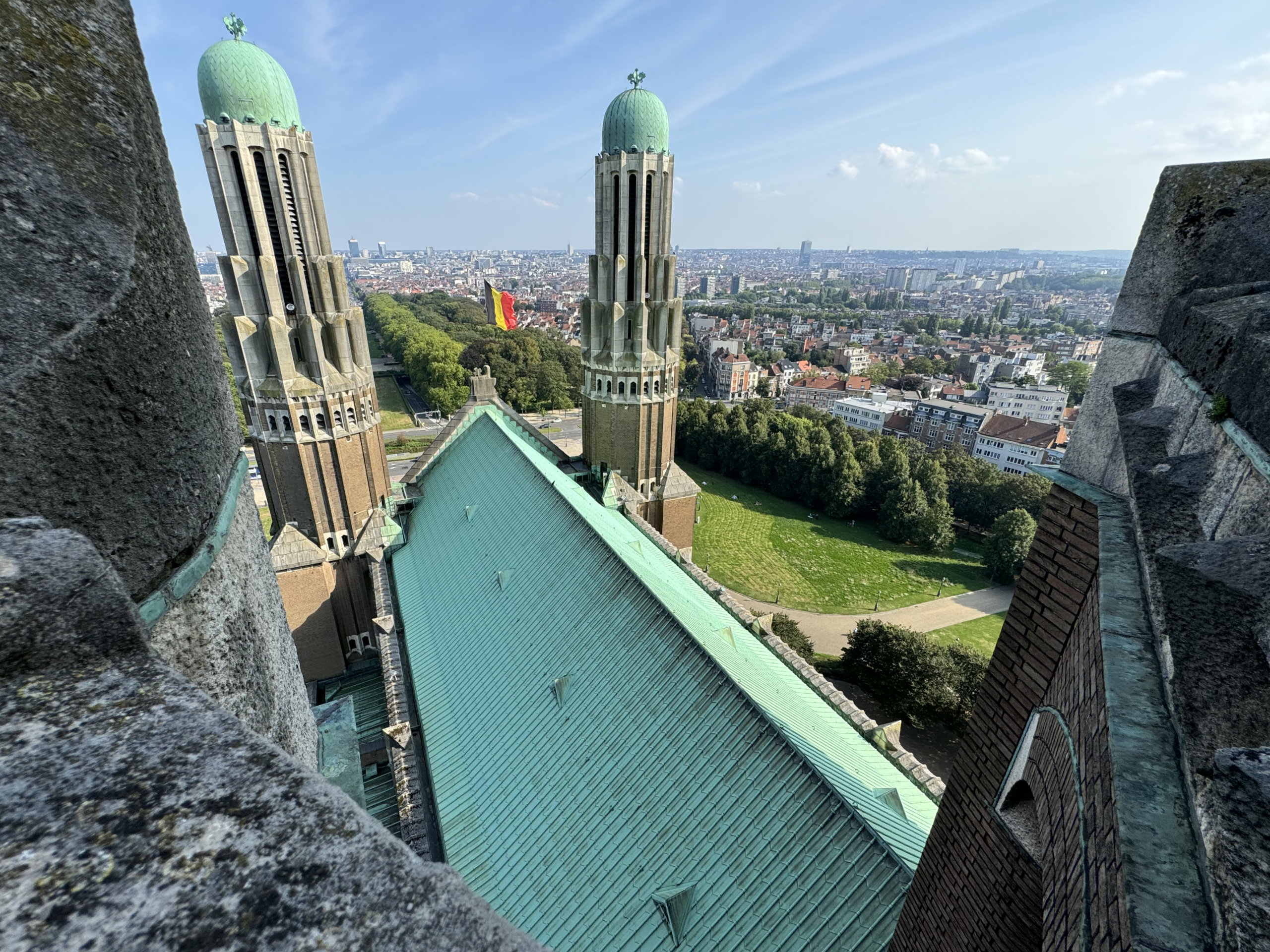 Most first-time visitors to Brussels head straight for the Grand Place, Cathedral, Mont des Arts, Atomium, and the Triumphal Arch. In doing so, many overlook a landmark that would rank among the most famous attractions in almost any other European capital: the National Basilica of the Sacred Heart.
With its immense green copper dome, it dominates the northwestern skyline of the city. It is one of the five largest churches in the world, the largest Art Deco building in the world, and the monumental endpoint… read more
Most first-time visitors to Brussels head straight for the Grand Place, Cathedral, Mont des Arts, Atomium, and the Triumphal Arch. In doing so, many overlook a landmark that would rank among the most famous attractions in almost any other European capital: the National Basilica of the Sacred Heart.
With its immense green copper dome, it dominates the northwestern skyline of the city. It is one of the five largest churches in the world, the largest Art Deco building in the world, and the monumental endpoint… read more 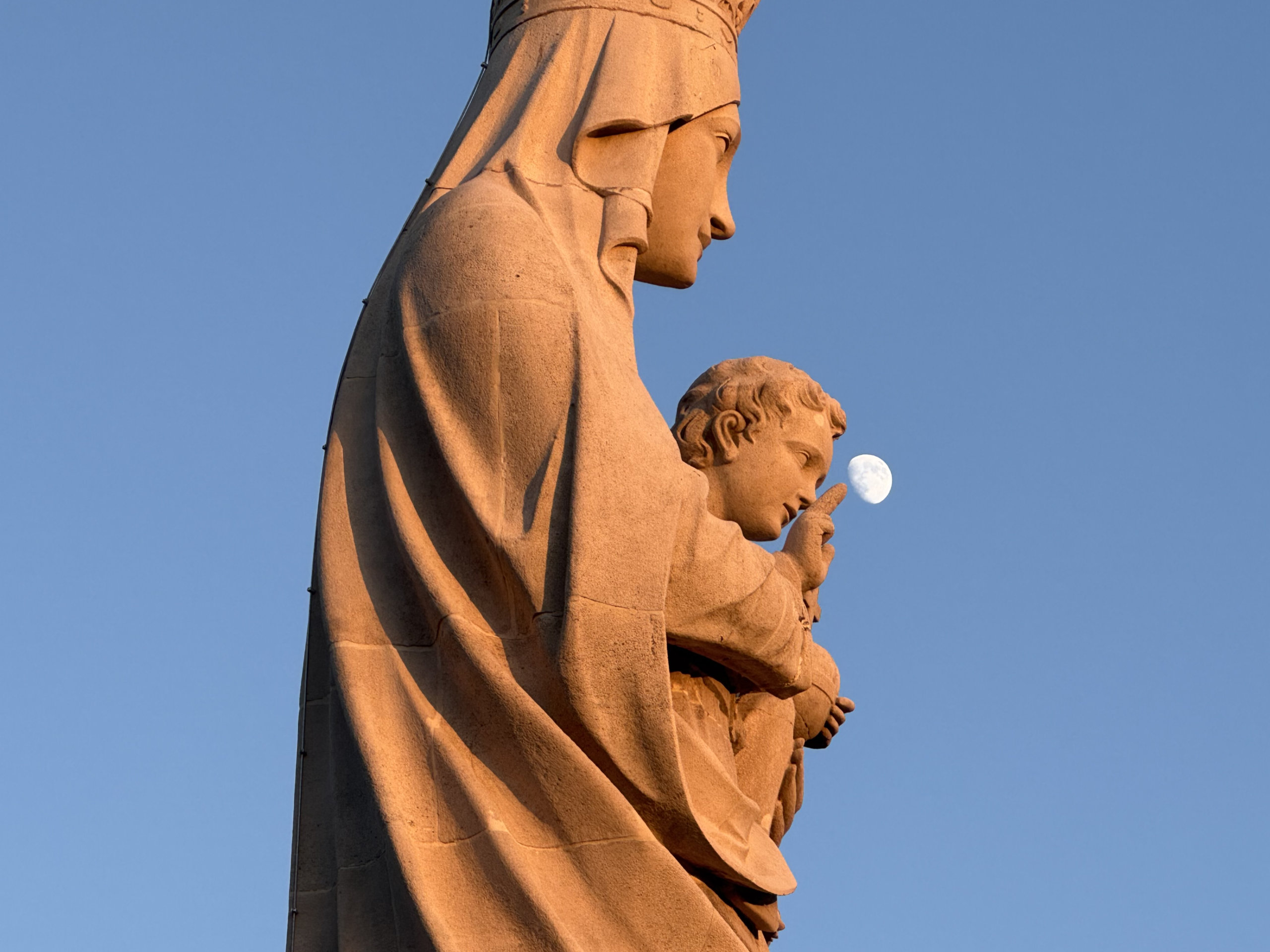 There are destinations that are famous primarily for a single iconic landmark. Belgium’s greatest strength is its diversity. Few other countries combine magnificent art cities, breathtaking natural scenery, historic monuments, modern architecture, rivers, canals, coastal landscapes, and an exceptionally vibrant cultural scene within such a compact area. For photographers, this means one thing above all: around every bend, at every street corner, and beyond every hill, a new subject is waiting to be discovered.
Yet it is not only about spectacular views. Belgium thrives on…
There are destinations that are famous primarily for a single iconic landmark. Belgium’s greatest strength is its diversity. Few other countries combine magnificent art cities, breathtaking natural scenery, historic monuments, modern architecture, rivers, canals, coastal landscapes, and an exceptionally vibrant cultural scene within such a compact area. For photographers, this means one thing above all: around every bend, at every street corner, and beyond every hill, a new subject is waiting to be discovered.
Yet it is not only about spectacular views. Belgium thrives on…  This is supposed to be a national symbol of Belgium? A bronze boy barely 55 centimeters tall, peeing into a basin, hidden on a street corner that you might almost walk past if it weren’t for the crowds. Doesn’t Brussels have any other attractions? Many visitors push their way to the front, snap a photo, feel disappointed by its small size, and move on. One Australian travel journalist even called it the most disappointing monument in the world. But anyone who looks into the story…
 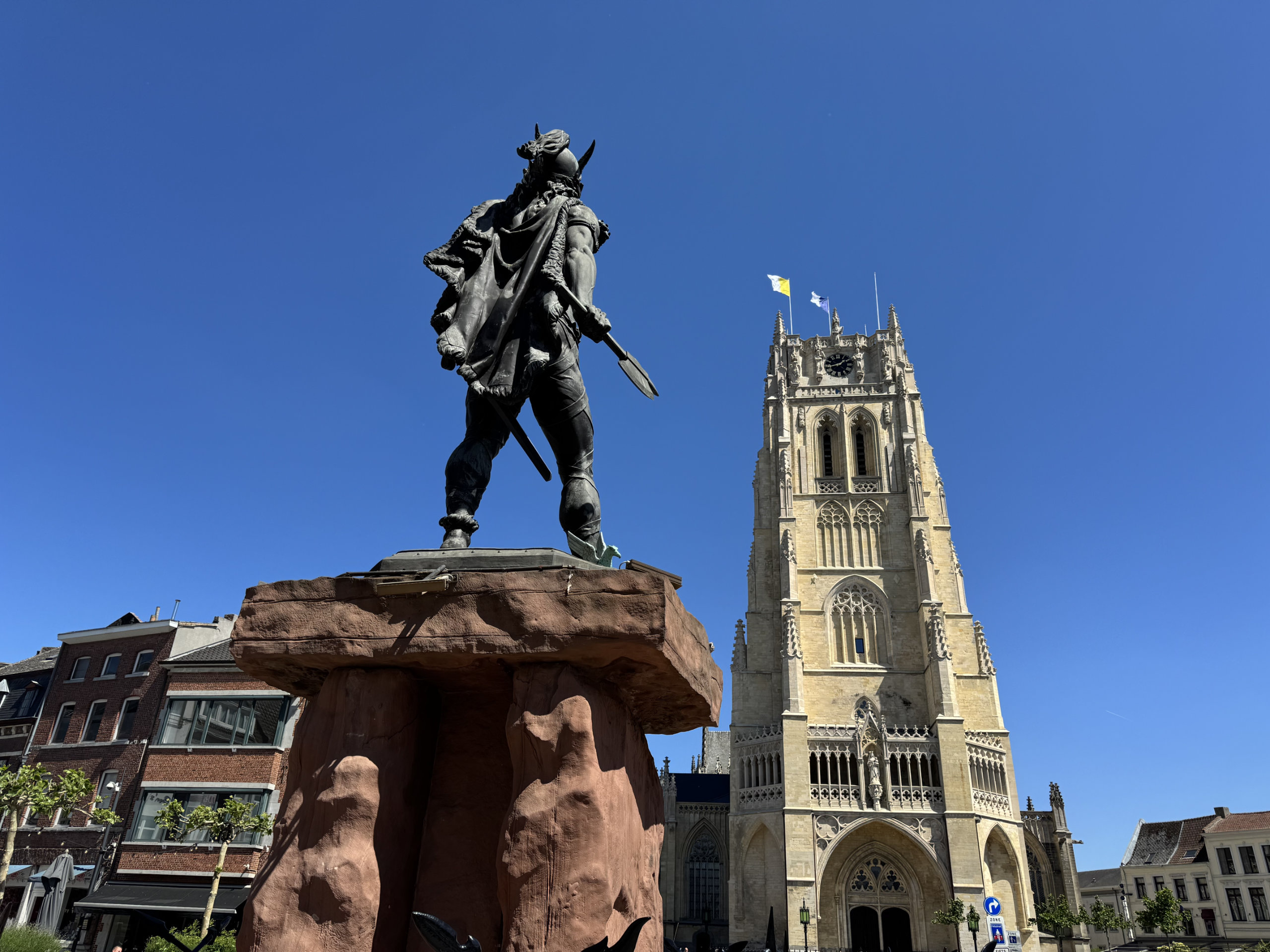 Belgium owes its name to a Roman province: Gallia Belgica. As early as the 1st century BC, Julius Caesar used the term Belgae for the tribes living in northern Gaul. In his work “De Bello Gallico”, he described the Belgae as a distinct group within the Gallic world. From the name “Belgae” later emerged “Belgica” – a term that endured for centuries.
Roman Province of Belgica
The Roman province was established under Emperor Augustus toward the end of the 1st century BC. It covered an…
Belgium owes its name to a Roman province: Gallia Belgica. As early as the 1st century BC, Julius Caesar used the term Belgae for the tribes living in northern Gaul. In his work “De Bello Gallico”, he described the Belgae as a distinct group within the Gallic world. From the name “Belgae” later emerged “Belgica” – a term that endured for centuries.
Roman Province of Belgica
The Roman province was established under Emperor Augustus toward the end of the 1st century BC. It covered an… 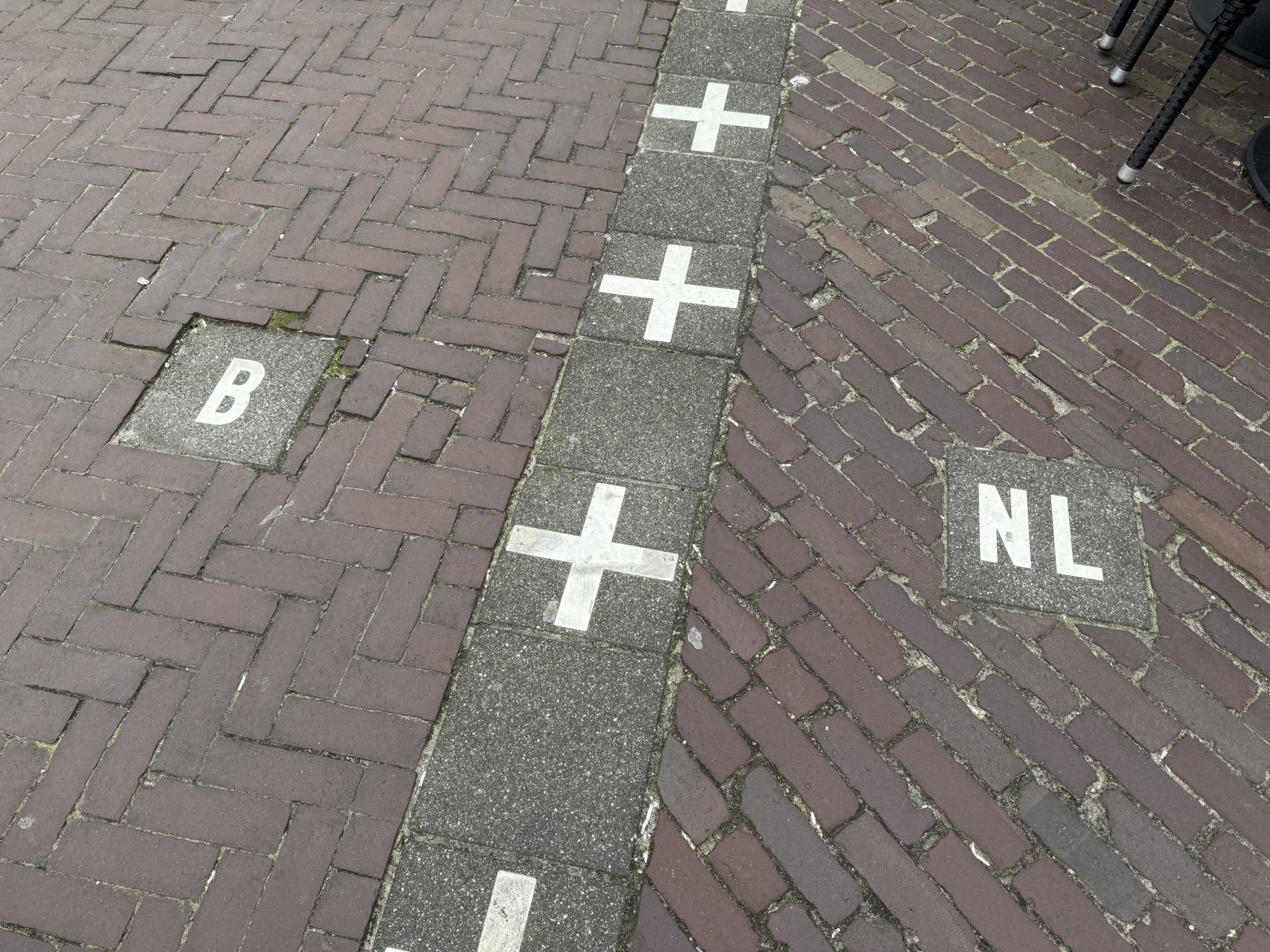 Europe is full of borders. Many of them have become invisible, others run along rivers or mountain ranges and seem almost logical. And then there is Belgium – a country where borders sometimes run through living rooms, states disappear, and gas stations determine which side you are on.
Anyone who engages with this will not find clear lines, but stories. Stories of compromises, coincidences, and surprisingly long-lasting historical decisions. Belgium is not a country you simply “pass through”. It is a country you understand in…
Europe is full of borders. Many of them have become invisible, others run along rivers or mountain ranges and seem almost logical. And then there is Belgium – a country where borders sometimes run through living rooms, states disappear, and gas stations determine which side you are on.
Anyone who engages with this will not find clear lines, but stories. Stories of compromises, coincidences, and surprisingly long-lasting historical decisions. Belgium is not a country you simply “pass through”. It is a country you understand in… 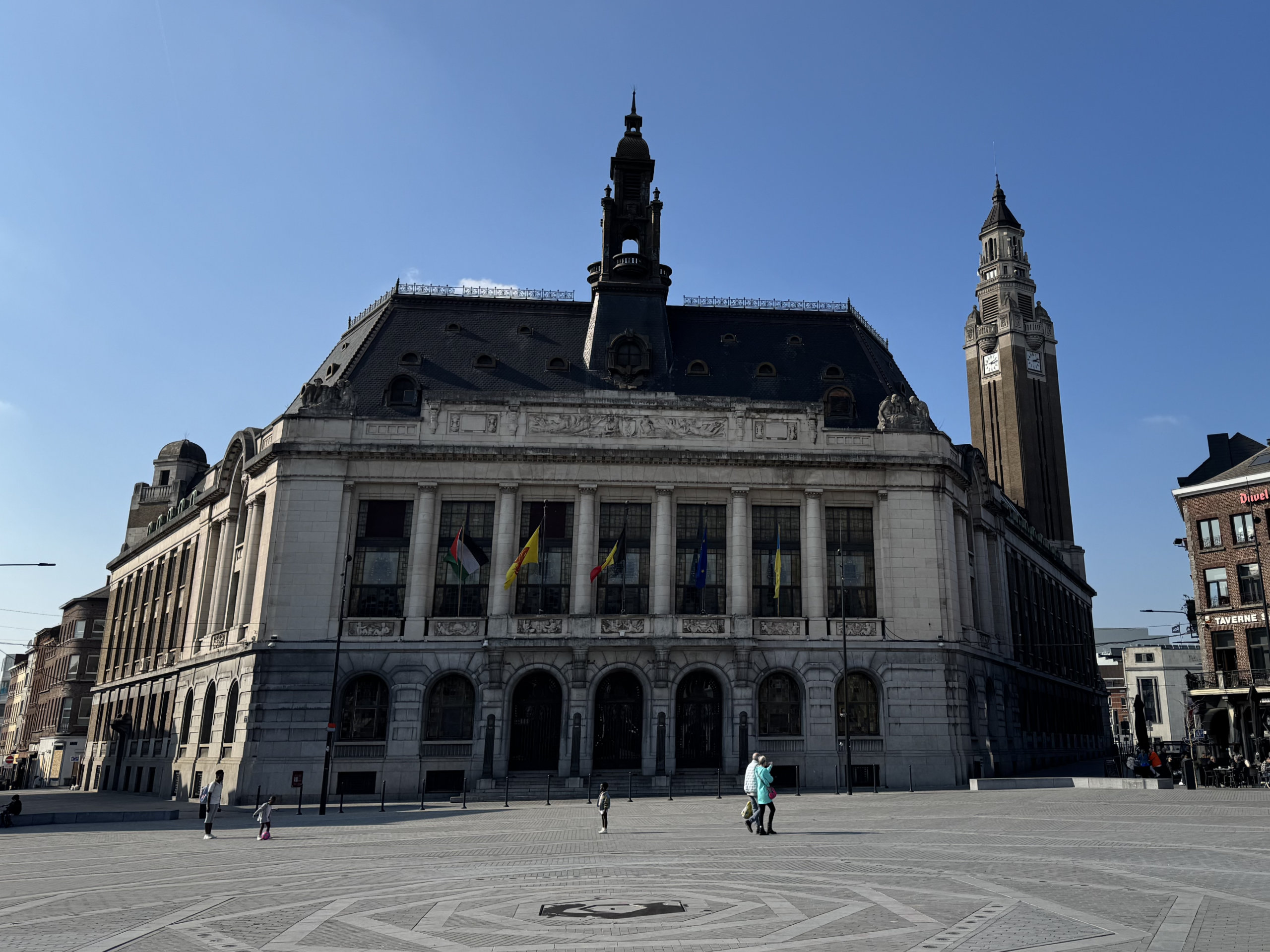 Charleroi was one of the most important industrial regions in Europe in the 19th and early 20th centuries. Coal mining, steel production, glass manufacturing, and the chemical industry made the city an economic engine; entire districts were built around mines and factories, and Charleroi boomed.
The decline began gradually from the 1960s and especially the 1970s, when heavy industry entered a deep crisis: mines were closed, steelworks relocated or abandoned. Particularly in the 1970s and 1980s, Charleroi lost tens of thousands of jobs – with…
Charleroi was one of the most important industrial regions in Europe in the 19th and early 20th centuries. Coal mining, steel production, glass manufacturing, and the chemical industry made the city an economic engine; entire districts were built around mines and factories, and Charleroi boomed.
The decline began gradually from the 1960s and especially the 1970s, when heavy industry entered a deep crisis: mines were closed, steelworks relocated or abandoned. Particularly in the 1970s and 1980s, Charleroi lost tens of thousands of jobs – with…  Note: In this blog post, I use AI-generated photos – but nowhere else on this website. (At least not intentionally: most of the photos on visitbelgium.net are mine, but a few still come from Adobe Stock, where it’s not always clear whether AI was involved.)
AI Photos
Nowadays, it’s possible to create excellent “photos” using AI. In the tourism sector, however, AI images tend to fall somewhere between absurdly bad, kitschy, and very good – but often flawed in detail. Ultimately, they’re a complete no-go…
Note: In this blog post, I use AI-generated photos – but nowhere else on this website. (At least not intentionally: most of the photos on visitbelgium.net are mine, but a few still come from Adobe Stock, where it’s not always clear whether AI was involved.)
AI Photos
Nowadays, it’s possible to create excellent “photos” using AI. In the tourism sector, however, AI images tend to fall somewhere between absurdly bad, kitschy, and very good – but often flawed in detail. Ultimately, they’re a complete no-go… 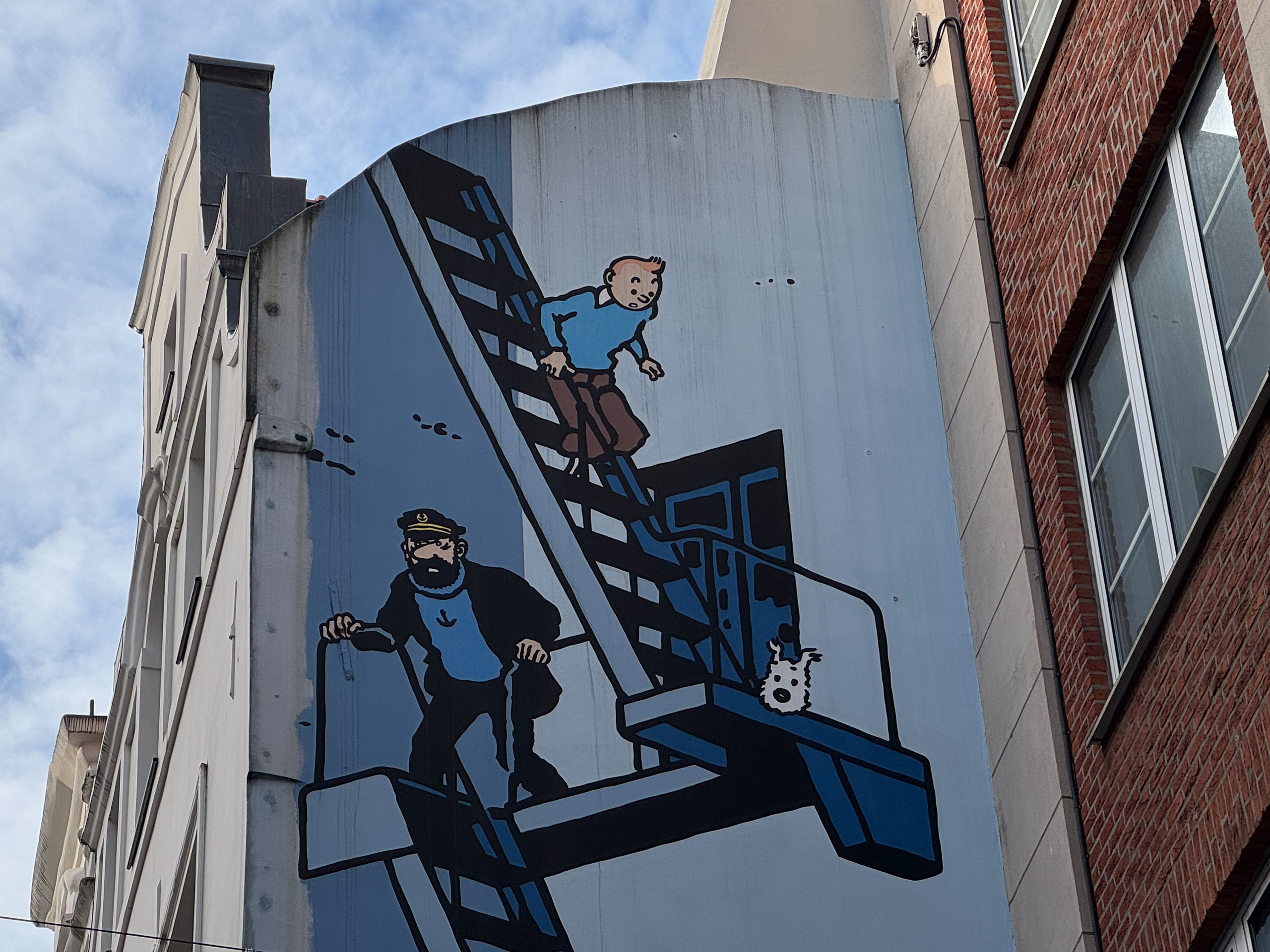 Here’s a list of the 50+ most internationally well-known Belgians who were born in Belgium (therefore, figures such as Pieter Bruegel the Elder or Peter Paul Rubens are not included). The list is sorted by year of birth.
Ambiorix
(1st century BC, Tongeren)
Leader of the Eburones tribe who resisted Julius Caesar’s Roman legions; a symbol of Belgian independence.
Jan van Eyck
(1390-1441, Maaseik)
Early Netherlandish painter and pioneer of oil painting, best known for the Ghent Altarpiece.
Johannes Ockeghem
(1410-1497, Saint-Ghislain)
Composer of the…
Here’s a list of the 50+ most internationally well-known Belgians who were born in Belgium (therefore, figures such as Pieter Bruegel the Elder or Peter Paul Rubens are not included). The list is sorted by year of birth.
Ambiorix
(1st century BC, Tongeren)
Leader of the Eburones tribe who resisted Julius Caesar’s Roman legions; a symbol of Belgian independence.
Jan van Eyck
(1390-1441, Maaseik)
Early Netherlandish painter and pioneer of oil painting, best known for the Ghent Altarpiece.
Johannes Ockeghem
(1410-1497, Saint-Ghislain)
Composer of the… 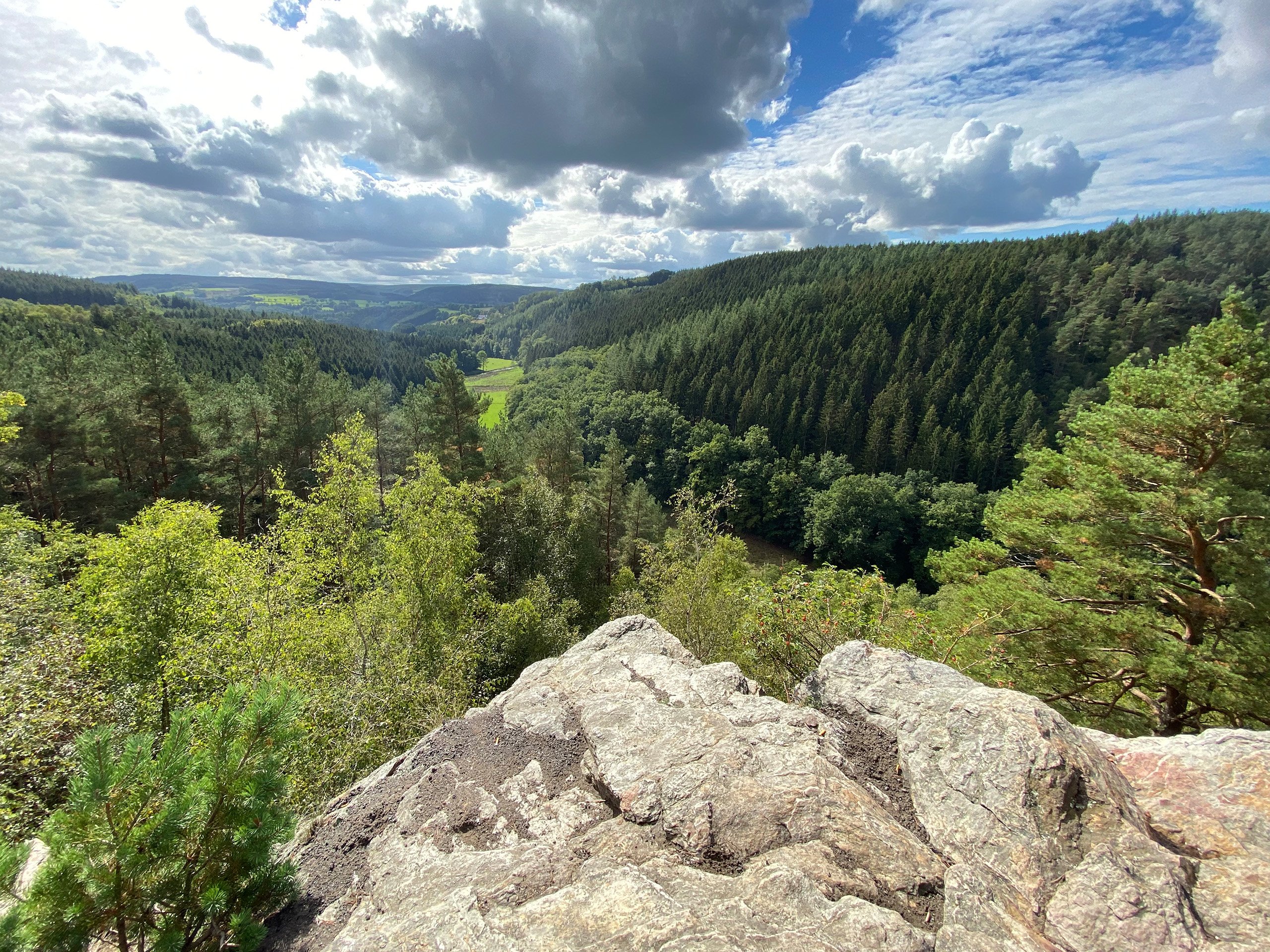 Is Belgium really the “flat land” sung about in Jacques Brel’s famous chanson, the image that many people conjure up when they think of the small state in Western Europe?
The answer is – like so often – a clear “yes and no”.
In his song, Brel mainly evokes West Flanders, with its wide plains along the coast and inland, where fields, canals, and ruler-straight roads dominate the landscape. There, the image of flat expanses is indeed accurate. But for the whole country, the description…
Is Belgium really the “flat land” sung about in Jacques Brel’s famous chanson, the image that many people conjure up when they think of the small state in Western Europe?
The answer is – like so often – a clear “yes and no”.
In his song, Brel mainly evokes West Flanders, with its wide plains along the coast and inland, where fields, canals, and ruler-straight roads dominate the landscape. There, the image of flat expanses is indeed accurate. But for the whole country, the description… 
 © VisitBelgium.net
 © VisitBelgium.net
 © VisitBelgium.net
 © VisitBelgium.net
 © VisitBelgium.net
 © VisitBelgium.net