
The most important Waterways in Belgium
 © VisitBelgium.net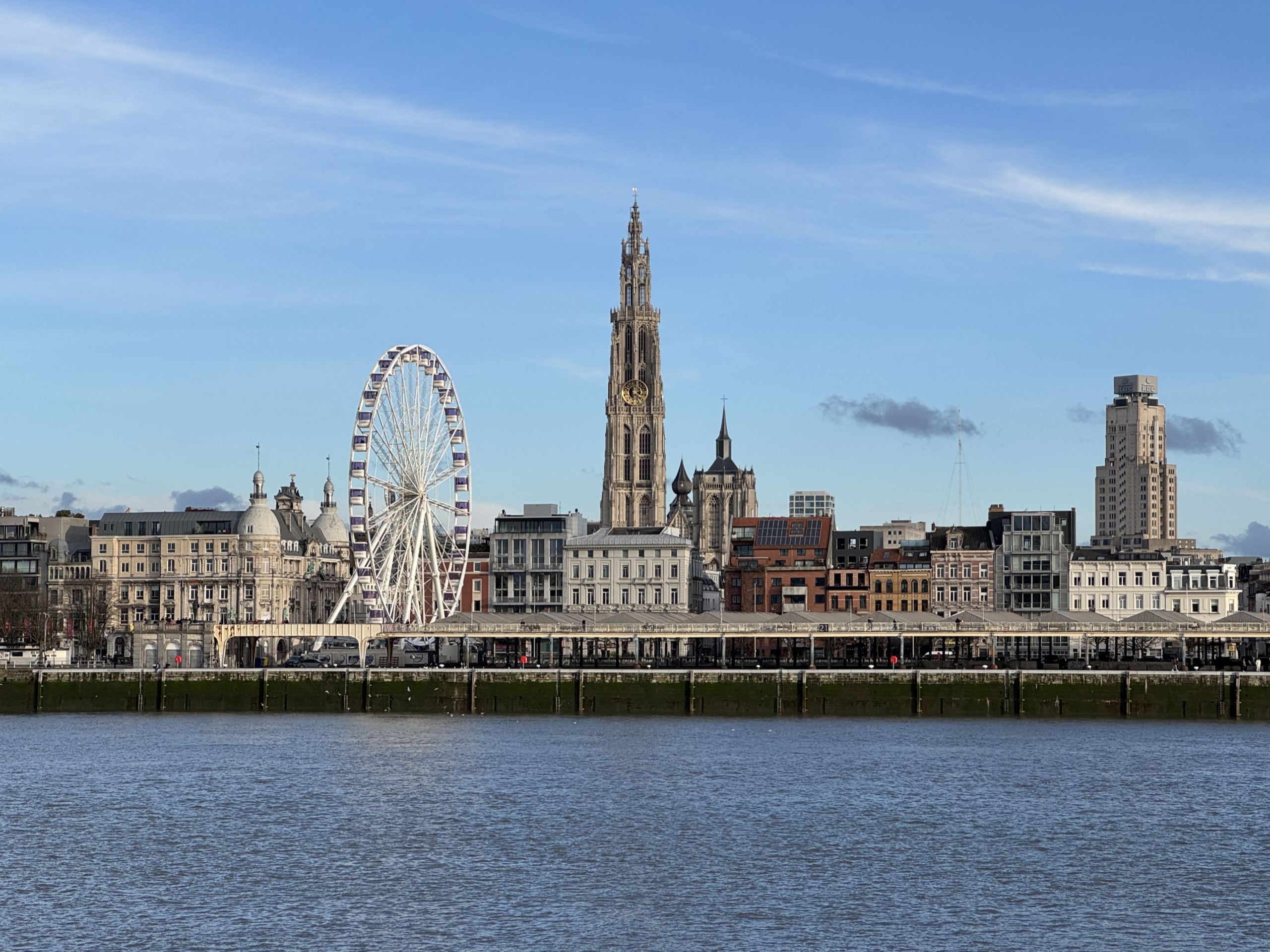
Belgium has one of the densest inland waterway networks in the world. The main routes can be broadly divided into three categories: the “major arteries”, connecting canals, and scenic waterways used primarily for tourism.
the major Arteries
Scheldt
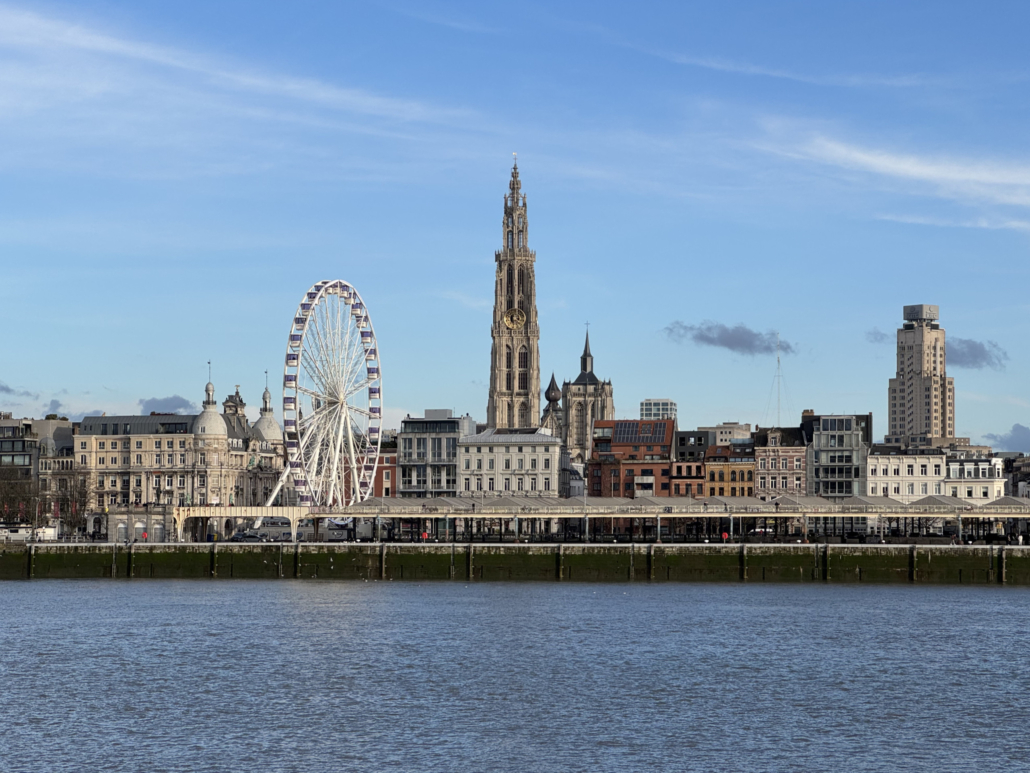
The Scheldt rises in Gouy in northern France and flows into the North Sea near Vlissingen in the Netherlands, after about 350 kilometers. In Belgium it is the most important waterway, the port of Antwerp is the second largest in Europe. The river also flows through Ghent and Tournai. It is tidal, dredged to great depth, and has been a lifeline for port activity, the cloth trade, and later industry for centuries. Today, the Scheldt links global maritime trade with culturally rich river landscapes.
Albert Canal
The Albert Canal connects the Meuse at Liège with the Scheldt at Antwerp. It was built between 1930 and 1939 and is a purely industrial and freight canal of central importance. Along its roughly 130 kilometers lie cities such as Liège, Hasselt, Genk, and the port of Antwerp. The canal significantly shortens transport routes and is designed for large commercial vessels. From a tourist perspective, the most striking features are the dramatic cuts through limestone cliffs near Kanne.
Meuse
The Meuse rises on the Plateau of Langres in France and flows through Belgium toward the Netherlands. In the industrial stretch between Namur/Huy and the Dutch border, it passes through heavily urbanized and industrialized landscapes in the Liège region, which developed into a center of steel and heavy industry along the river. Here the Meuse is strongly canalized and serves as an important transport route for bulk goods.
Sambre
The Sambre rises near Nouvion-en-Thiérache in France and flows into the Meuse at Namur. It crosses one of Belgium’s historically most important industrial regions: Charleroi. In the 19th and 20th centuries in particular, the Sambre was closely linked to coal mining and steel production. Today it is still used for inland navigation, but also features attractive sections with riverside promenades and historic town centers.
the connecting Canals
Ghent–Terneuzen Canal
The Ghent–Terneuzen Canal connects Ghent with the Dutch port of Terneuzen on the Western Scheldt. It begins in the port of Ghent and ends at the North Sea access to the Scheldt. The canal is essential for access to the seaport of Ghent and is used by large seagoing vessels. Industrial facilities dominate along the canal, while Ghent itself offers a strong tourist contrast with its historic center, port architecture, and museums.
Brussels–Scheldt Canal
The Brussels–Scheldt Canal connects the Belgian capital with the Scheldt at Willebroek. It begins in the center of Brussels and provides a direct link to the international inland waterway network. The canal was first constructed in the 16th century and modernized several times. Industrial and logistics zones developed along its banks – it played a key role in shaping the urban development of Brussels.
Charleroi–Brussels Canal
The Charleroi–Brussels Canal links the industrial center of Charleroi with Brussels and onward to the Scheldt. It begins on the Sambre in Charleroi and ends in the Brussels canal network. Historically, it primarily served the transport of coal and steel. Today it is modernized and suitable for large freight vessels. La Louviere is also located on the canal.
Bruges–Zeebrugge Canal
The Bruges–Zeebrugge Canal connects the historic city of Bruges with the North Sea port of Zeebrugge. Since the early 20th century, the canal has ensured Bruges’ access to the sea. While Zeebrugge is a major industrial and ferry port, Bruges is considered one of Belgium’s most important tourist destinations. The canal links medieval urban history with modern port industry.
Ghent–Ostend Canal
The Ghent–Ostend Canal connects Ghent with the North Sea coast at Ostend. It begins in the port of Ghent and ends in the port of Ostend. Originally intended for the transport of goods between the hinterland and the sea, it now also plays a role in recreational boating. Cities such as Bruges (accessible via side canals), Ghent, and Ostend benefit from this waterway. The canal runs through flat Flanders and offers tranquil landscapes that are especially popular with cyclists.
the scenic Waterways
Meuse
Between Namur and Dinant, the Meuse shows its most scenic character. Rising in France, the river flows here through a narrow valley with steep cliffs. Castles, citadels, and striking limestone formations dominate the landscape. This stretch is heavily focused on tourism, with river cruises, and viewpoints along the valley.
Ourthe
The Ourthe is formed near Nisramont by the confluence of the western and eastern Ourthe and flows into the Meuse at Liège. It is considered one of the most beautiful rivers in the Ardennes. Towns such as La Roche-en-Ardenne and Durbuy lie along its course. The Ourthe is not industrialized and strongly shaped by tourism, with kayaking, hiking, and nature tourism as the main activities. Its forested valleys and rock formations make it particularly attractive.
Semois
The Semois rises near Arlon in southern Belgium and flows into the Meuse at Monthermé in France. It winds through the Ardennes and the Gaume region in numerous meanders. Villages such as Bouillon, Vresse-sur-Semois, and Florenville are located along its banks. The Semois is barely navigable and is primarily important for tourism. It is considered one of Belgium’s most scenic rivers and is popular with hikers and canoeists.
Lesse
The Lesse rises near Libramont-Chevigny and flows into the Meuse at Anseremme near Dinant. It is known for its spectacular karst landscapes and underground sections. One notable location along the river is Han-sur-Lesse. The Lesse is a classic tourism river, featuring kayaking routes, caves such as the Han Caves, and wooded valleys. Industry plays no role here, nature and adventure tourism dominate instead.
Amblève
The Amblève rises in the High Fens near the German border and flows into the Ourthe at Comblain-au-Pont. It passes through the eastern Ardennes and towns such as Malmedy, Stavelot, and Aywaille. The river is known for its narrow valleys, cliffs, and historic abbeys. The Amblève is not navigable and is clearly tourist-oriented. Hiking, cycling, and nature experiences are at the heart of this varied landscape.
Leie
The Leie rises in northern France near Lisbourg and flows into the Scheldt at Ghent. In Belgium it shapes West and East Flanders in particular. Cities such as Kortrijk and Ghent lie along its course. Historically, the Leie was important for the textile industry, as its water was used for flax processing. Today it combines industrial use with high scenic and cultural value, especially in the artistically influenced Leie region.
Dijle
The Dijle rises near Houtain-le-Val and flows into the Rupel near Rumst, which in turn leads to the Scheldt. It passes through cities such as Leuven and Mechelen, with Leuven in particular developing early along the river. The Dijle is not a major shipping route, but it strongly shapes urban landscapes and local recreation areas. Riverside paths, historic buildings, and restored natural sections make it attractive today mainly for leisure and tourism.
Yser
The Yser rises near Buysscheure in northern France and flows into the North Sea at Nieuwpoort. In Belgium it is especially known for its role in the First World War. The river is usable by small vessels. Today, the Yser combines historical memorial sites with quiet polder landscapes and is particularly popular with cyclists and boat tourists.
Canal du Centre
The Canal du Centre connects the Meuse with the Scheldt via the canal network. It is especially famous for its historic and modern boat lifts near La Louvière. The canal begins near Mons and runs toward Charleroi and onward into the national waterway system. The lifts are part of the UNESCO World Heritage and represent a unique technical achievement. Cities such as La Louvière shape the canal, which today is mainly of heritage significance.

 © VisitBelgium.net
 © VisitBelgium.net
 © VisitBelgium.net
 © VisitBelgium.net
 © VisitBelgium.net
 © VisitBelgium.net
 © VisitBelgium.net
Leave a Reply
Want to join the discussion?Feel free to contribute!