
From Roman “Belgica” to Belgium
 © VisitBelgium.net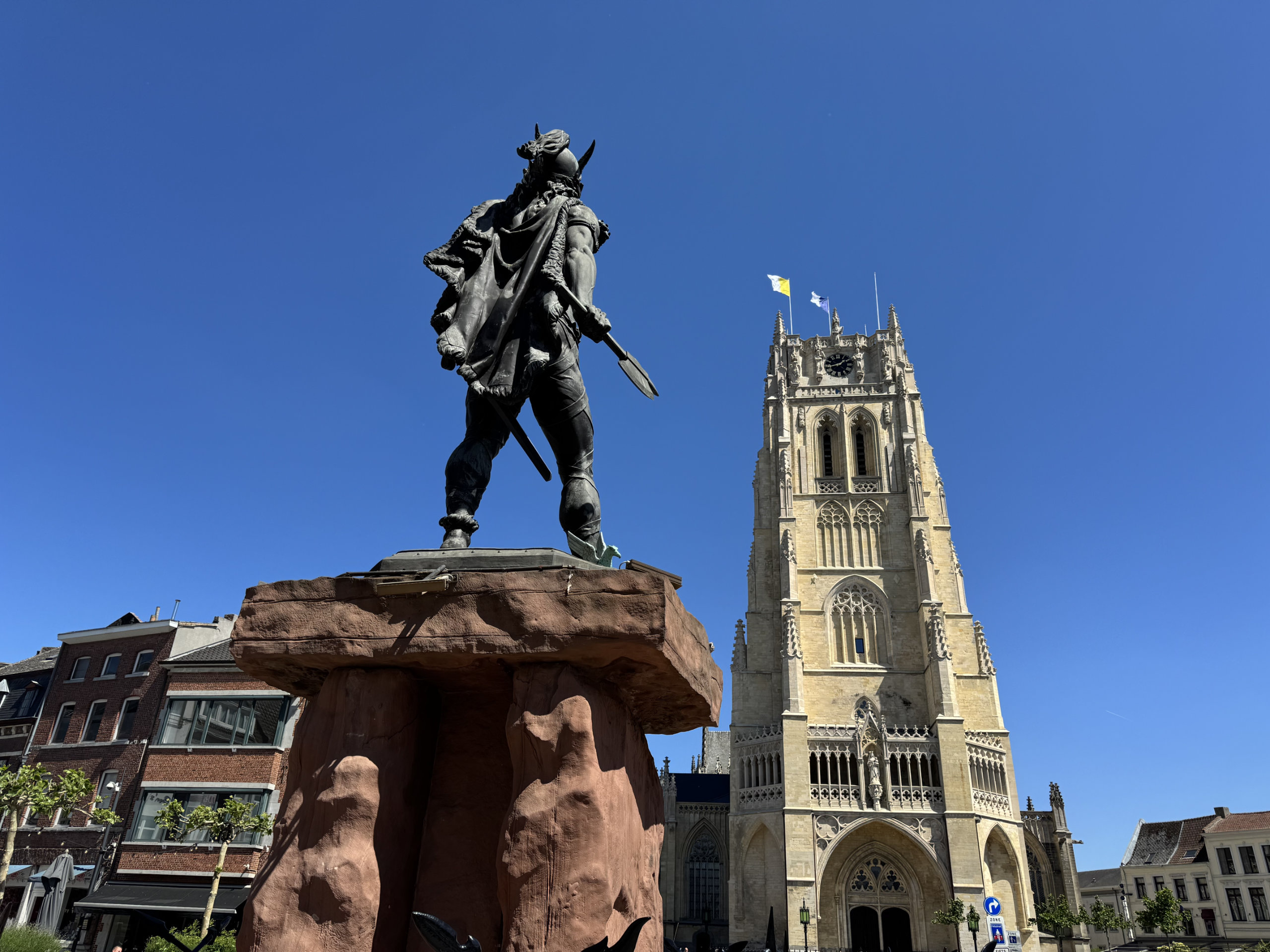
Belgium owes its name to a Roman province: Gallia Belgica. As early as the 1st century BC, Julius Caesar used the term Belgae for the tribes living in northern Gaul. In his work “De Bello Gallico”, he described the Belgae as a distinct group within the Gallic world. From the name “Belgae” later emerged “Belgica” – a term that endured for centuries.
Roman Province of Belgica
The Roman province was established under Emperor Augustus toward the end of the 1st century BC. It covered an area larger than present-day Belgium: parts of northern France, Luxembourg, the southern Netherlands, and western Germany were also included. The capital of the province was Durocortorum (Reims, France).
For the Roman Empire, the region was strategically important above all else. It lay between Gaul and the Rhine frontier and was crossed by major military and trade routes. Cities such as Augusta Treverorum (Trier, Germany), Bagacum Nerviorum (Bavay, France), Atuatuca Tungrorum (Tongeren), as well as Roman settlements in Arlon and Tournai, developed into important centers of the province.
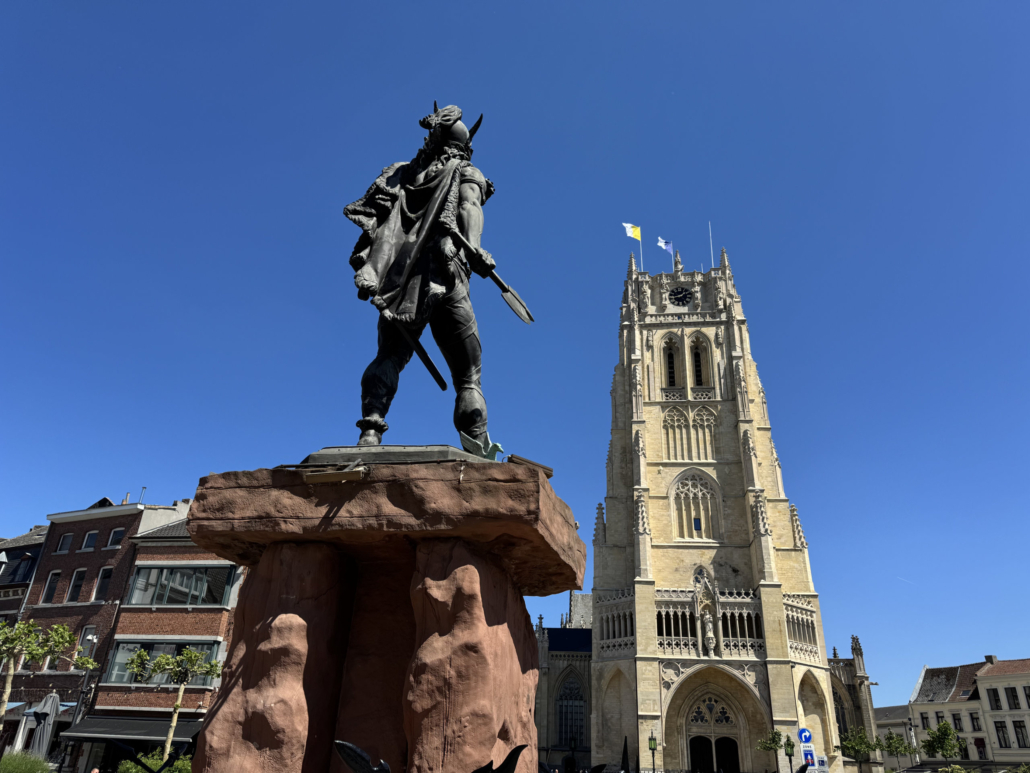
Today, Tongeren often refers to itself as the oldest city in Belgium, as an important administrative center already existed there during Roman times. However, visible Roman traces can also be found in other Belgian cities. This is precisely why Belgium’s Roman past remains present in many places to this day.
After the province of Belgica disappeared with the collapse of the Western Roman Empire, the territories of present-day Belgium belonged to various realms and empires over the following centuries – including the Frankish Empire, the Burgundian and Habsburg Netherlands, Spain, Austria, and France. Borders and power structures in this part of Europe changed repeatedly over time.
Belgian Revolution
Following the Congress of Vienna in 1815, the “United Kingdom of the Netherlands” was established. However, what is now Belgium was part of it only until the Belgian Revolution in 1830. This revolution led to the creation of the independent Belgian state.
At the time, a historically rooted and linguistically neutral name was sought for the new state. The deliberate choice fell on Belgium / België / Belgique / Belgien – as a direct reference to the ancient Belgica. The name evoked the shared history of the region without referring exclusively to a particular dynasty, province, or linguistic group.
The borders of the young Belgian state continued to shift for some time. During the Belgian Revolution, half of Luxembourg joined the uprising. In 1839, the territory was divided: the western part became part of Belgium (now the province of Luxembourg), whilst the eastern part remained the Grand Duchy of Luxembourg. In the same year, Limburg was also divided between Belgium and the Netherlands. After the First World War, Belgium additionally received Eupen-Malmedy, as well as Neutral Moresnet, from Germany.
Thus, the Roman province of Gallia Belgica lives on to this day – not only in history books, but in the name of modern Belgium.
 © VisitBelgium.net
 © VisitBelgium.net
 © VisitBelgium.net
 © VisitBelgium.net
 © VisitBelgium.net
 © VisitBelgium.net
 © VisitBelgium.net
 © VisitBelgium.net
 © VisitBelgium.net
 © VisitBelgium.net
 © VisitBelgium.net
 © VisitBelgium.net
 © VisitBelgium.net