
Beguinages: Belgiums’s hidden UNESCO Treasures
 © VisitBelgium.net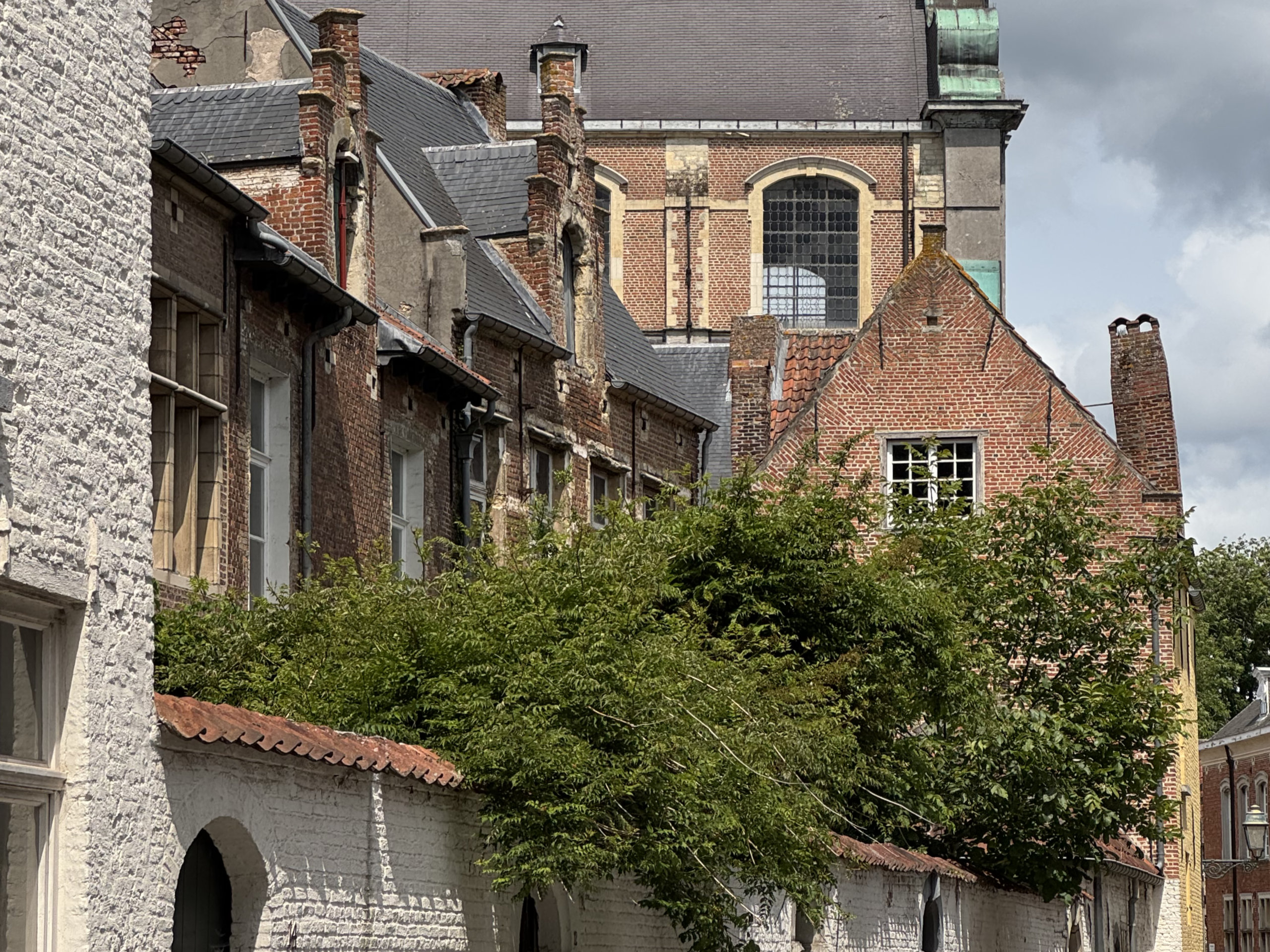
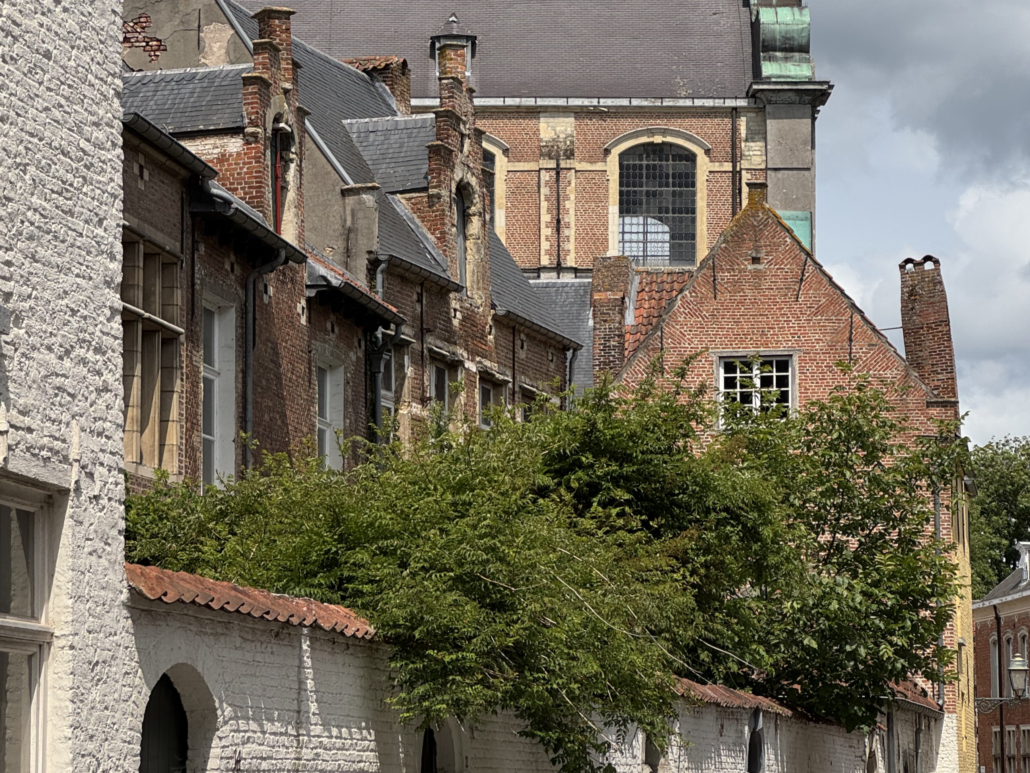
Anyone traveling through the historic cities of Flanders will sooner or later encounter a remarkable cultural heritage: the beguinages. Hidden behind ancient gates and walls are quiet lanes, well-kept courtyards, small gardens, and centuries-old houses. These unique complexes are among the most fascinating testimonies to medieval life in Europe and are now considered some of Belgium’s most atmospheric attractions.
The history of the Beguines began in the 12th and 13th centuries. In the rapidly growing cities of northwestern Europe, many women sought a way to live a religious life without joining a convent. Unlike nuns, Beguines did not take lifelong vows. They could own property, earn their own living, and leave the community whenever they wished. As a result, the Beguine movement offered women an unusually high degree of independence for its time.
These communities gave rise to the beguinages – enclosed residential quarters with houses, workshops, infirmaries, gardens, and a church or chapel. Many developed into small towns within the city. Their residents worked as teachers, caregivers, weavers, and lacemakers, playing an important role in the social and economic life of their hometowns.
Although Beguine communities also existed in what are now the Netherlands, northern France, and the Rhineland, nowhere did the movement attain the same significance as in Flanders. It was here that the largest and most magnificent beguinages in Europe were established. Their cultural importance was officially recognized in 1998 when thirteen Flemish beguinages were added to the UNESCO World Heritage List. They are regarded as an outstanding testimony to a social and religious movement that shaped the lives of many women over centuries.
Today, beguinages invite visitors to discover a different side of Belgium: peaceful, tranquil, and steeped in history. These five sites are among the most beautiful and interesting in the country:
Bruges
The journey begins with the Ten Wijngaerde Beguinage in Bruges. Founded in 1245, it is one of the most famous beguinages in Europe. White façades, ancient trees, and expansive green spaces give the complex an almost fairy-tale atmosphere. Although Bruges’ historic center lies only a few steps away, the bustle of the city seems far removed here. The beguinage is particularly beautiful in spring, when the lawns are covered with daffodils. For many visitors, it is their first encounter with the world of the Beguines – and often the most memorable one.
Leuven
Equally impressive is the Grand Beguinage of Leuven. Unlike many other sites, it consists not merely of a central courtyard but of an entire network of streets, squares, bridges, and historic houses. Walking through its winding lanes feels more like exploring a village than a city district. Few places provide such a vivid impression of how Beguine communities were once organized. Today, part of the complex is used by the University of Leuven, ensuring that the neighborhood remains lively and vibrant.
Ghent
Ghent is home to several beguinages and is therefore one of the most important places in Beguine history. Particularly worth visiting is the Old Saint Elizabeth Beguinage, which forms a fascinating contrast to the lively university city surrounding it. Behind its historic walls lie quiet streets, small squares, and carefully maintained gardens. The complex vividly demonstrates how the Beguines were integrated into urban life while still creating a protected space for their community. Visitors to Ghent will find one of the city’s most peaceful corners here.
Mechelen
Situated between Brussels and Antwerp, Mechelen is a city often overlooked by international visitors. Yet its Grand Beguinage is among the most authentic in Belgium. The historic houses are still inhabited today, allowing the quarter to retain much of its original character. Strolling through its narrow streets quickly creates the feeling of walking through a living open-air museum. Because Mechelen attracts fewer visitors than Bruges or Ghent, its beguinage feels particularly genuine and atmospheric.
Lier
The Beguinage of Lier should not be overlooked. This charming small town east of Antwerp is one of Flanders’ most beautiful yet underrated destinations. Its beguinage blends harmoniously into the historic townscape and offers an especially intimate atmosphere. Cobblestone streets, brick houses, and its proximity to the picturesque old town make a visit a relaxing experience away from the major tourist crowds. Anyone wishing to discover Belgium beyond its most famous attractions will find one of the country’s most enchanting beguinages here.
UNESCO World Heritage
The UNESCO World Heritage Site of the Flemish Beguinages comprises a total of thirteen locations. Additional beguinages can be found in Antwerp, Kortrijk, Diest, Dendermonde, Hoogstraten, Sint-Truiden, and Tongeren. Together with the beguinages in Bruges, Leuven, Ghent, Mechelen, and Lier, they provide a comprehensive insight into the diversity of these remarkable residential and communal settlements. Each site possesses its own distinct character – from expansive, almost village-like complexes to smaller beguinages that blend seamlessly into the historic urban landscape. Together, they form one of Belgium’s most remarkable cultural treasures and a unique testament to the Beguine movement, which shaped social life in Flanders for centuries.
 © VisitBelgium.net
 © VisitBelgium.net
 © VisitBelgium.net
 © VisitBelgium.net
 © VisitBelgium.net
 © VisitBelgium.net
 © VisitBelgium.net
 © VisitBelgium.net
 © VisitBelgium.net
 © VisitBelgium.net
 © VisitBelgium.net
 © VisitBelgium.net
 © VisitBelgium.net
 © VisitBelgium.net