
LLN: how to build a new City in Belgium
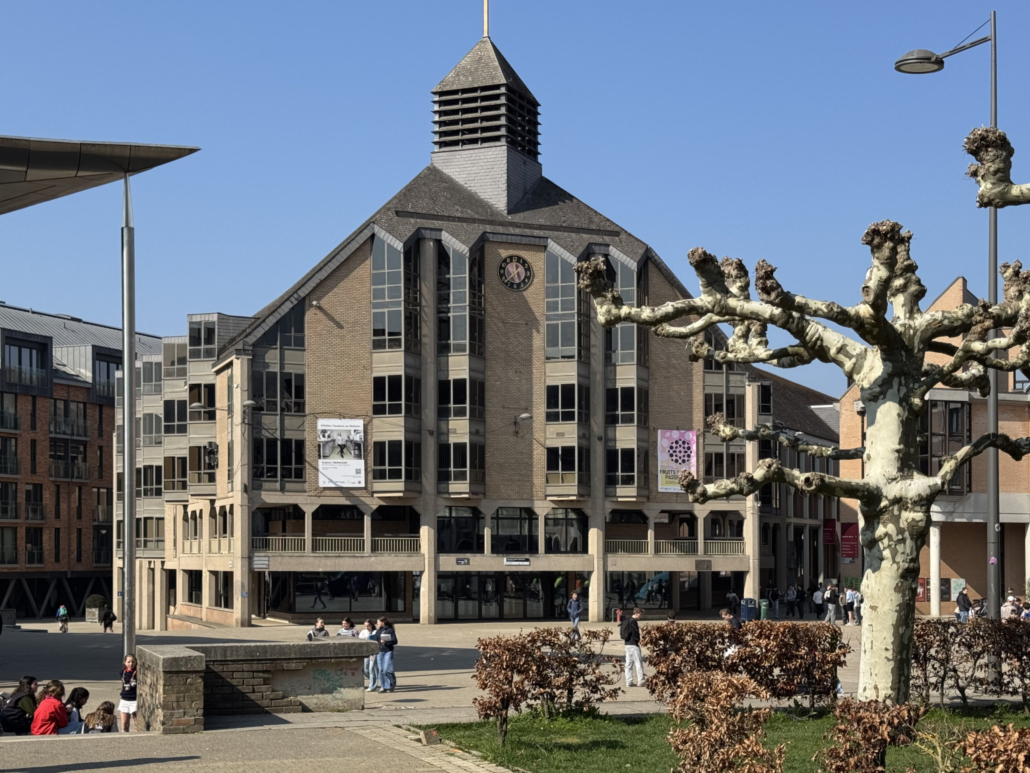
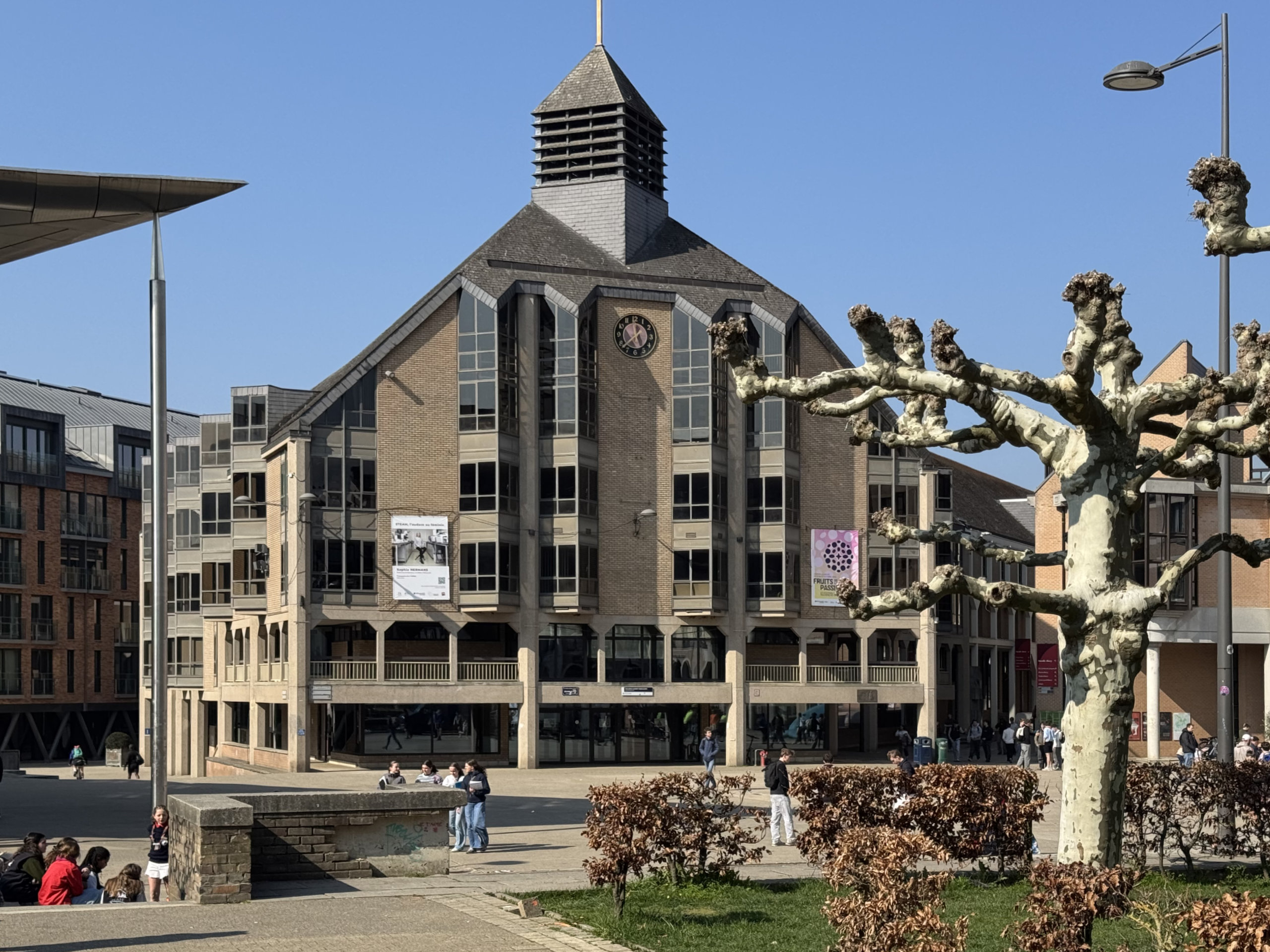
Louvain-la-Neuve (LLN) is located in Wallonia, around 30 kilometers southeast of Brussels, and is part of the municipality of Ottignies-Louvain-la-Neuve. Today, the city has about 30,000 residents, in addition to more than 30,000 students from the Université catholique de Louvain (UCLouvain), which has its main campus here. Despite its relatively young age, LLN is no longer an experiment, but a functioning urban space with significance.
Origins and urban Planning
The creation of Louvain-la-Neuve is inseparably linked to one of Belgium’s most defining language-political conflicts: the split of the Catholic University of Leuven (Flanders) during the so-called “Louvain Crisis” at the end of the 1960s. The French-speaking university had to leave the city of Leuven (Louvain) – and chose not to relocate, but to build an entirely new city in Wallonia.
From 1971 onward, Louvain-la-Neuve was quite literally built on a greenfield site.
What still makes this city special today is the consistency of its planning. Unlike many modern large-scale projects, it was not primarily designed for car traffic, but for pedestrians. The city center is almost completely car-free – yet without the usual restrictions found in other cities. Traffic is moved underground: a ring-shaped road system and a network of tunnels provide underground access to the city. Above ground, the space is reserved for people.
This separation proves surprisingly efficient in practice. Those arriving by car transition almost seamlessly from the highway into the underground system and only reappear in one of the parking garages in the middle of the city. At the same time, the city above remains calm, compact, and easily walkable. This system is among the most consistently implemented in Europe.
The train station is also integrated into this concept. The railway line has been partially lowered, and the station sits unobtrusively within the urban fabric, directly connected to the center – without the typical barriers of tracks or large forecourts.
It is also remarkable how strongly the planners resisted creating a “sterile” grid city. Instead of straight axes and uniform blocks, they developed a deliberately irregular street network with small squares, slight shifts in building lines, and varied facades. Many buildings are made of brick and reference traditional Belgian motifs without appearing historicizing. At the same time, the period of construction is not concealed: elements of 1970s architecture are visible and part of the overall appearance.
A central feature is the artificially created lake (Lac de Louvain-la-Neuve), which serves both as a recreational space and for water management.
In retrospect, Louvain-la-Neuve is widely regarded in urban planning as a successful example. While many planned cities struggle with anonymity, functional decline, or a lack of identity, a different picture emerges here: the city is lively, economically active, and used not only by students but also by residents of the surrounding region. Gastronomy, retail, and cultural institutions clearly benefit from this mix.
The vitality of the city center is particularly striking. Vacancies are hardly present, the range of offerings is broad, and student life ensures constant use. Louvain-la-Neuve thus functions not only as a university location but also as a regional attraction.
However, this does not mean that the city conforms to classical ideals of beauty. Louvain-la-Neuve is not a historic city grown over centuries, nor a postcard setting. Its appeal lies less in individual spectacular buildings than in its overall urban concept – and in the fact that this concept clearly works in everyday life.
Sights (brief overview)
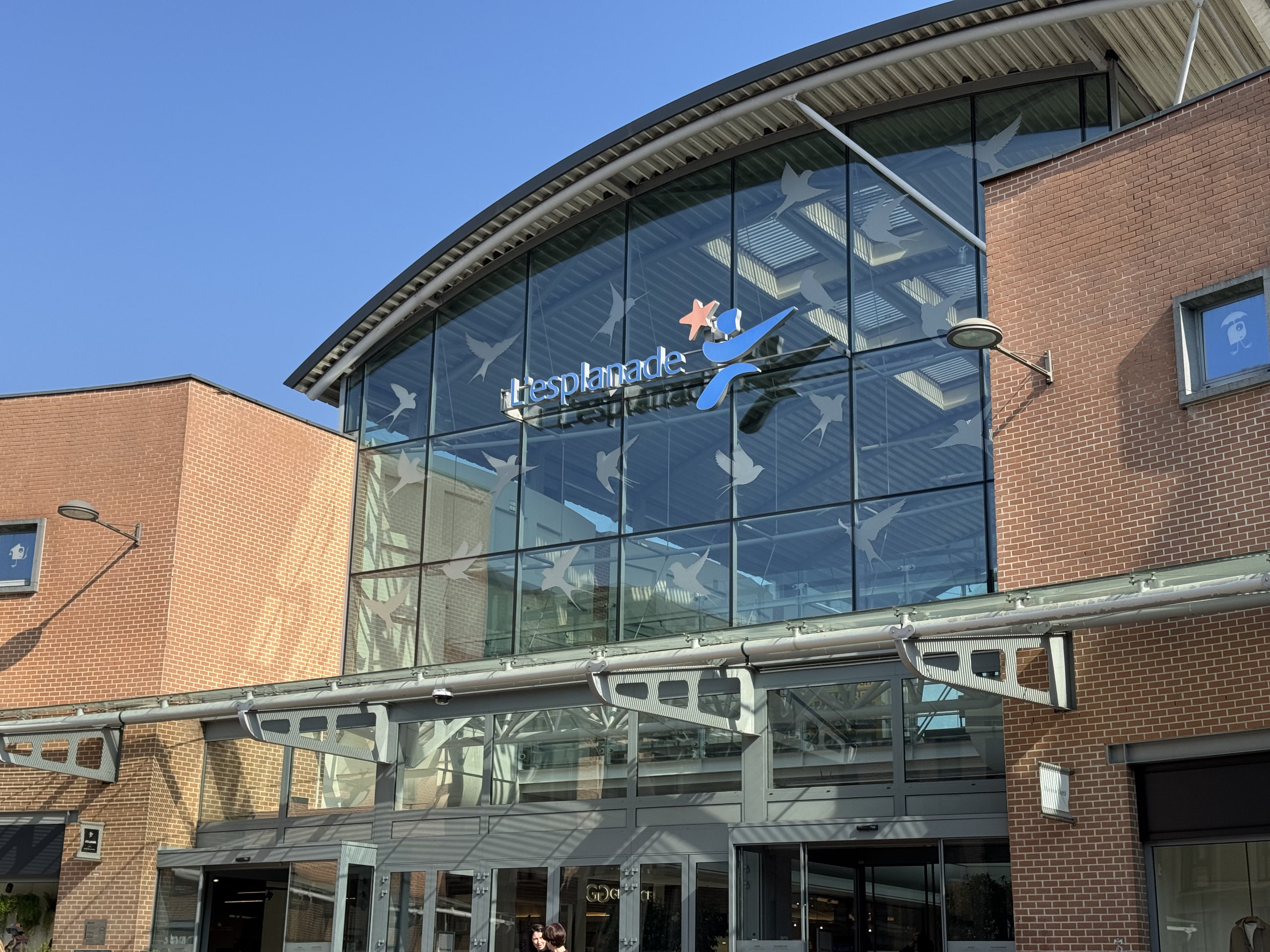
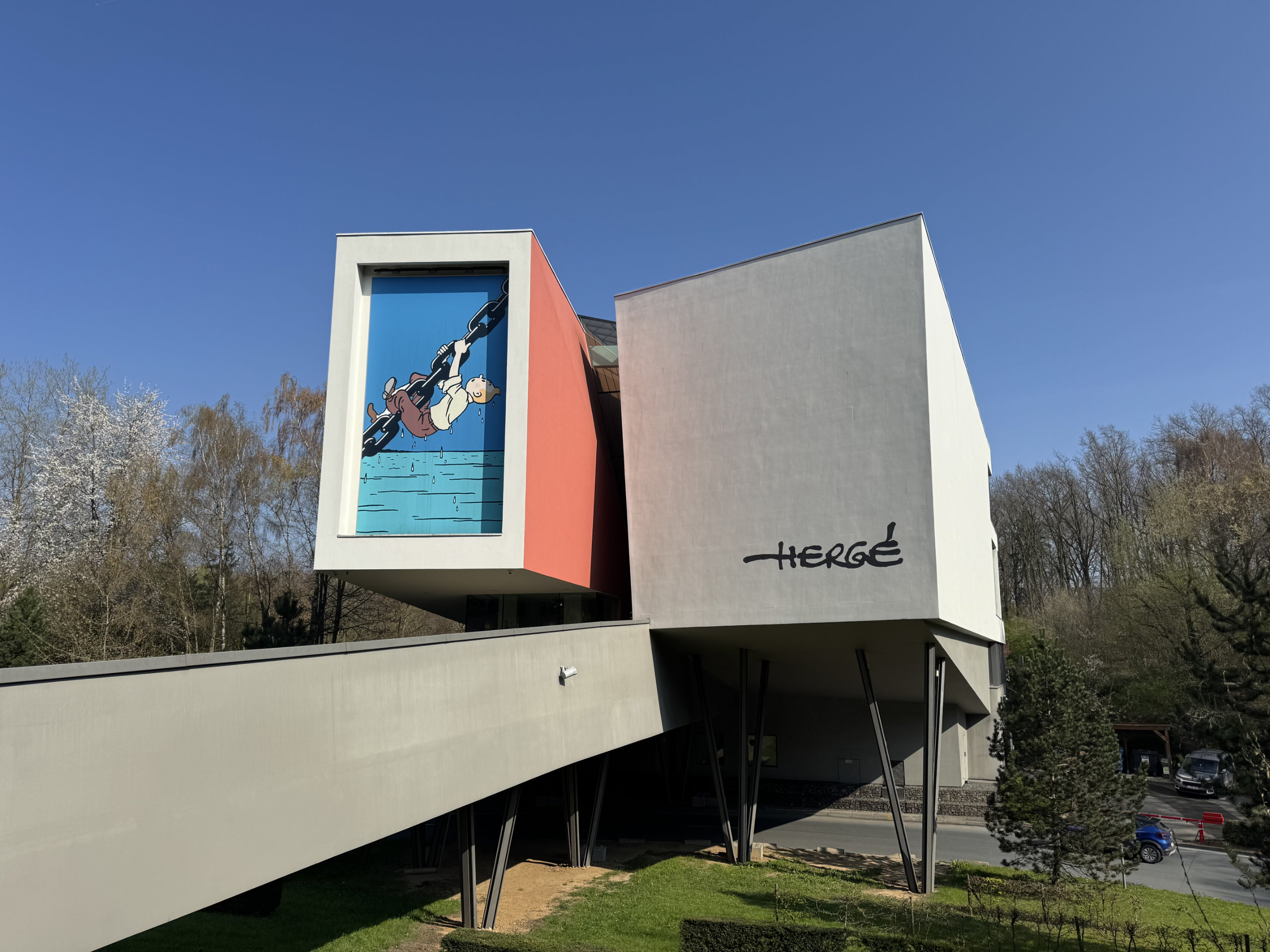
Among the main attractions is the Musée Hergé, dedicated to the creator of Tintin, which also stands out architecturally. The shopping center L’Esplanade forms the commercial heart of the city and is directly integrated into the urban structure. The Lac de Louvain-la-Neuve acts as a green counterbalance to the dense center. This is complemented by university buildings and event venues. Overall, the city’s quality lies less in individual “sights” than in the interplay of the city as a whole.


 © VisitBelgium.net

 © VisitBelgium.net
 © VisitBelgium.net
Leave a Reply
Want to join the discussion?Feel free to contribute!