
Wallonia: only Decay and Wastelands?
 © VisitBelgium.net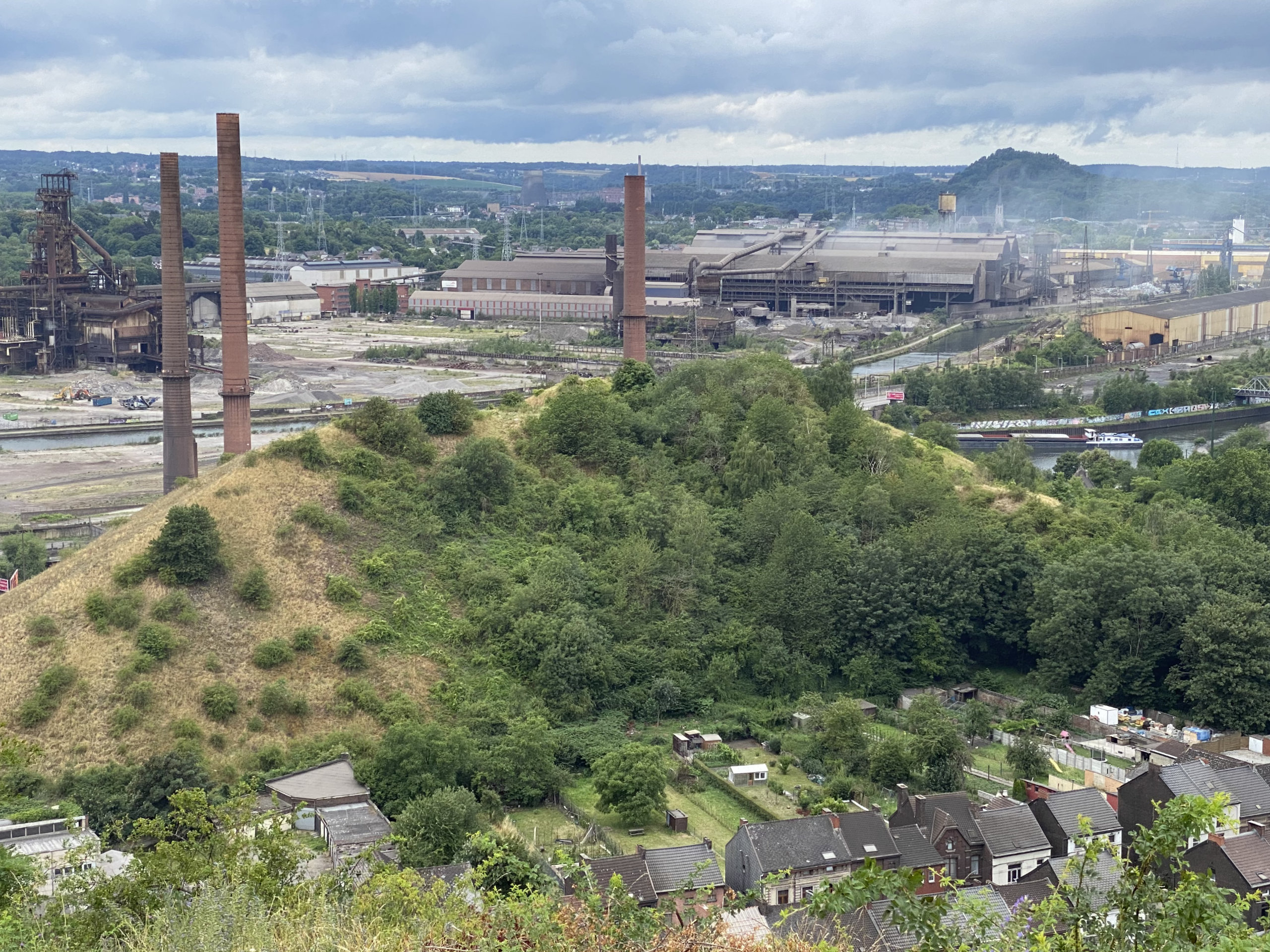
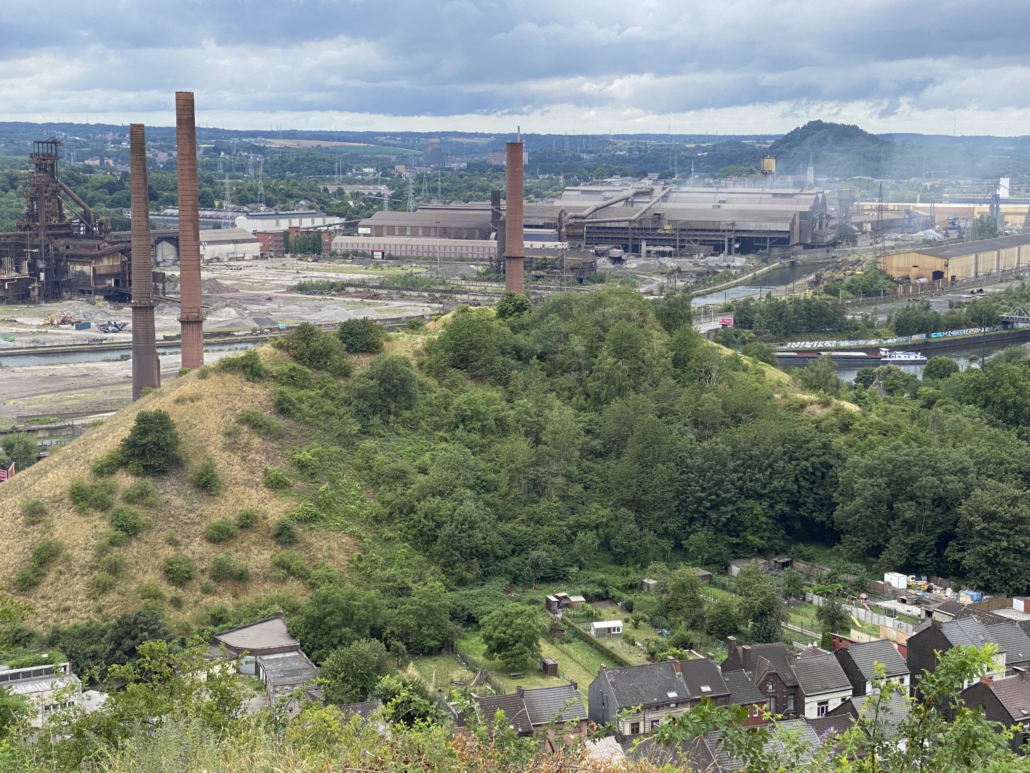
Wallonia is the French-speaking southern part of Belgium, with around 3.7 million inhabitants, bordering France, Luxembourg, and Germany. In the past, Wallonia was considered the engine of Belgium, one of the key centers of the Industrial Revolution. However, with the decline of heavy industry in the 20th century, a profound structural transformation began, the consequences of which are still visible today.
The Image of Wallonia
Internationally, Wallonia stands in the shadow of the other parts of the country. While cities like Brussels, Bruges, and other art cities in Flanders are known worldwide, the south of Belgium remains a blank spot for many. The prevailing image is contradictory: on the one hand shaped by abandoned industries, economic and social problems; on the other by untouched nature, historical sites, and a sense of tourist idyll.
At first glance, these contrasts seem irreconcilable. What matters is that the often-cited problem areas – Charleroi and Liège – represent only part of the reality and by no means stand for Wallonia as a whole.
The two industrial Hearts

In 2008, the Dutch newspaper “De Volkskrant” published a reader survey: Charleroi was voted the ugliest city in the world. This had enormous media impact and continues to shape the city’s image to this day. I would not describe Charleroi, at least its city center, as ugly. It is actually quite beautiful, but very rough and run-down, despite all the efforts of recent years. The western districts in particular, with their (partly dismantled) industrial backdrops, are indeed strikingly dystopian.
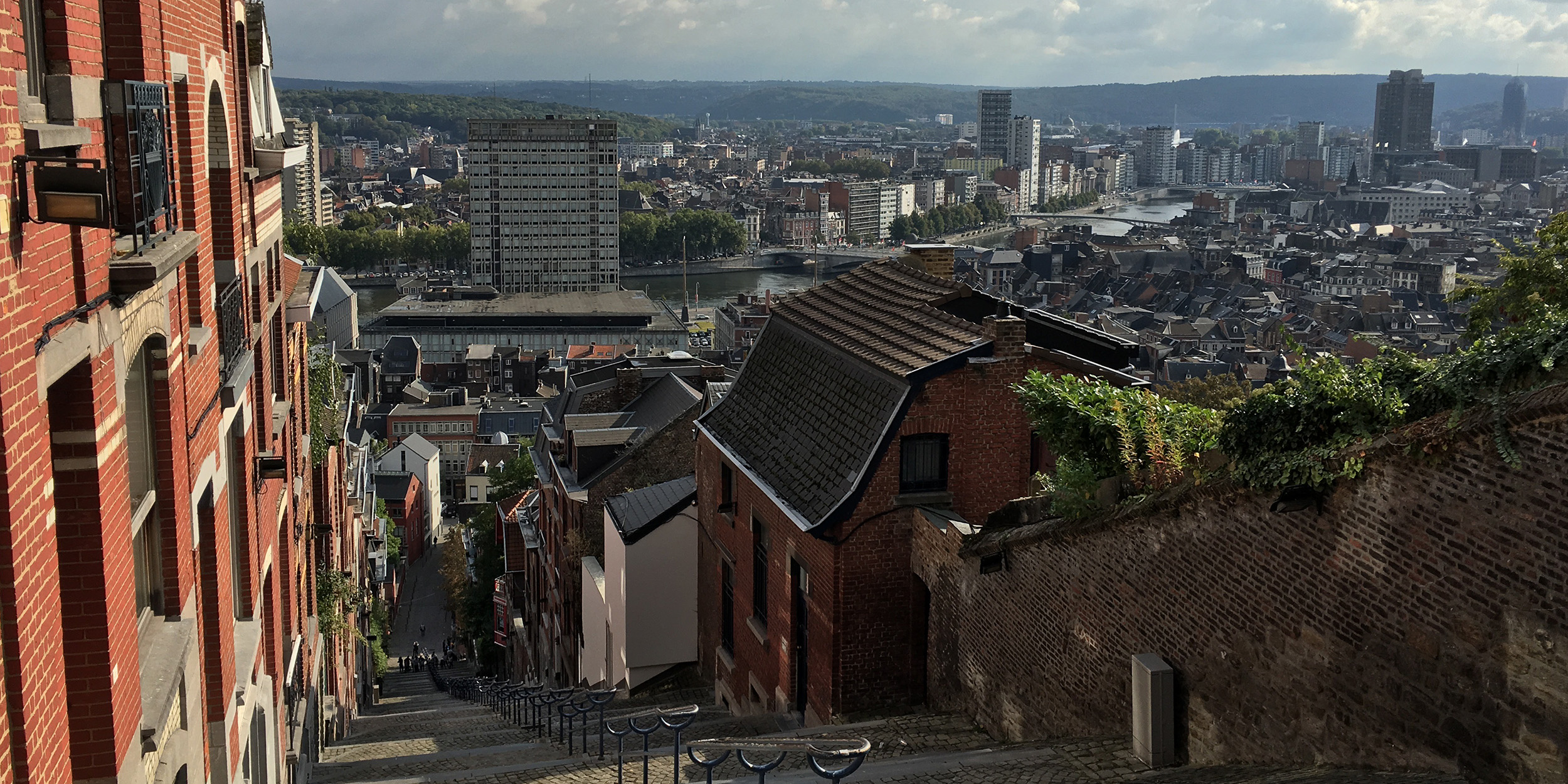
Liège is different: the city lies beautifully on the Meuse (including a large island), has great promenades, and is surrounded by steep hills. The center features many architectural treasures, with very steep streets, stairways, and overwhelming views around it. There are also well-known culinary highlights. Yet even the city center is partly marked by significant decay, and the suburbs often feel extremely depressing. Seraing, for example, serves as the setting for many social dramas by the well-known Belgian filmmakers, the Dardenne brothers.
The Reality
All of this is true. However, anyone who reduces Wallonia to these two cities overlooks its true diversity. A large part of the region is rural and belongs to some of the most nature-rich areas in Western Europe. There are beautiful low mountain ranges, endless forests, deep rocky river valleys, castles, fortresses, stunning towns and villages. The Ardennes make up a large portion of Wallonia and are, rightly, a very popular holiday region.
Wallonia is also administratively and culturally very diverse:
Walloon Brabant benefits greatly from its proximity to Brussels and is among the most affluent regions in Belgium.
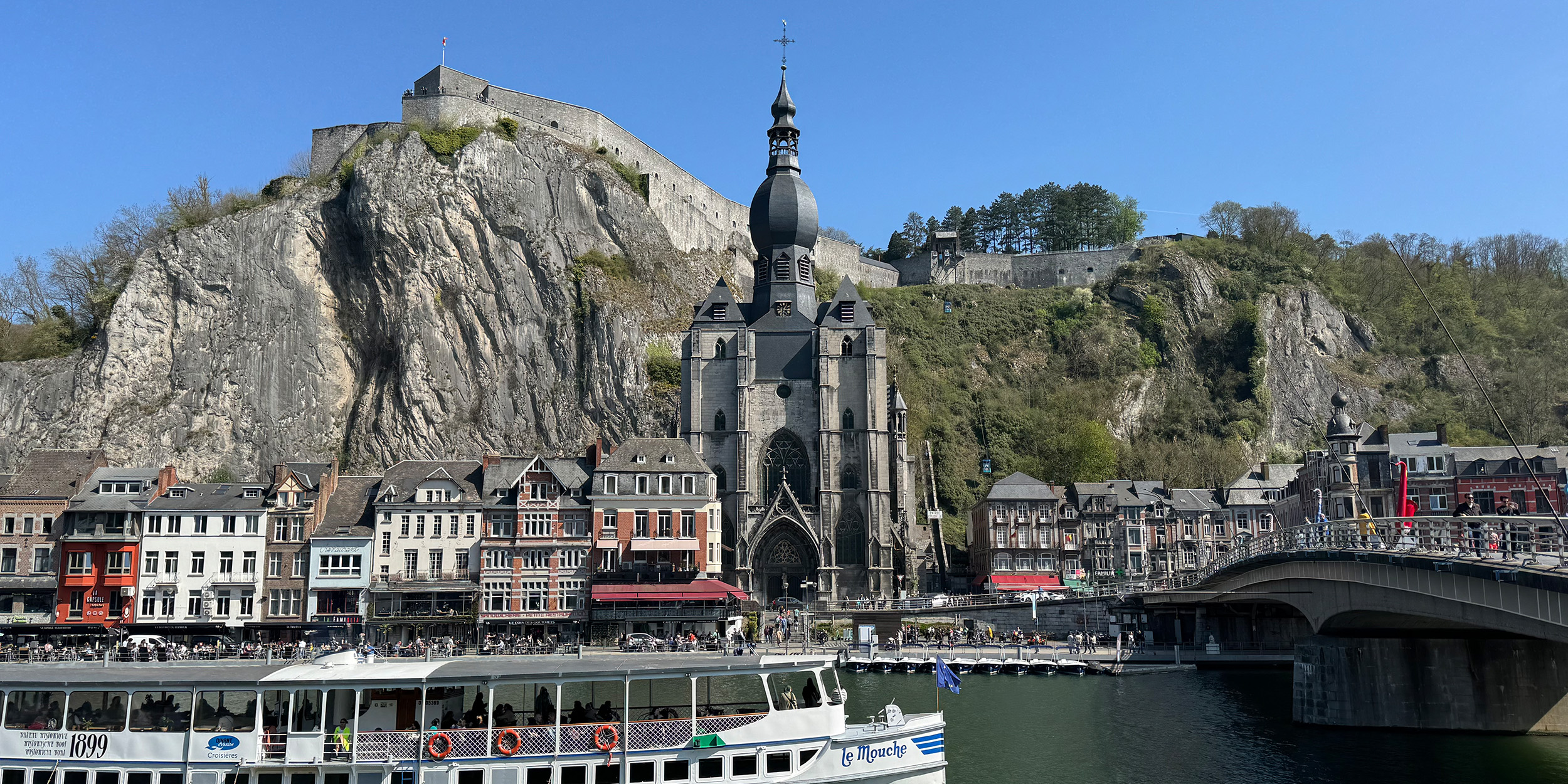
Namur, both a province and the capital, combines political importance with a high quality of life. Namur is a beautiful city set against a stunning backdrop. Dinant, spectacularly situated between cliffs and river, is one of the country’s most iconic photo motifs. The surrounding area features small towns, castles, abbeys, and caves.

The province of Luxembourg, the largest in Belgium by area, is the heart of the Ardennes. Places like Durbuy, often described as the smallest city in the world, La Roche-en-Ardenne, or Bouillon with its imposing fortress, attract many visitors from abroad. At the same time, the region is sparsely populated and preserves a pristine landscape.
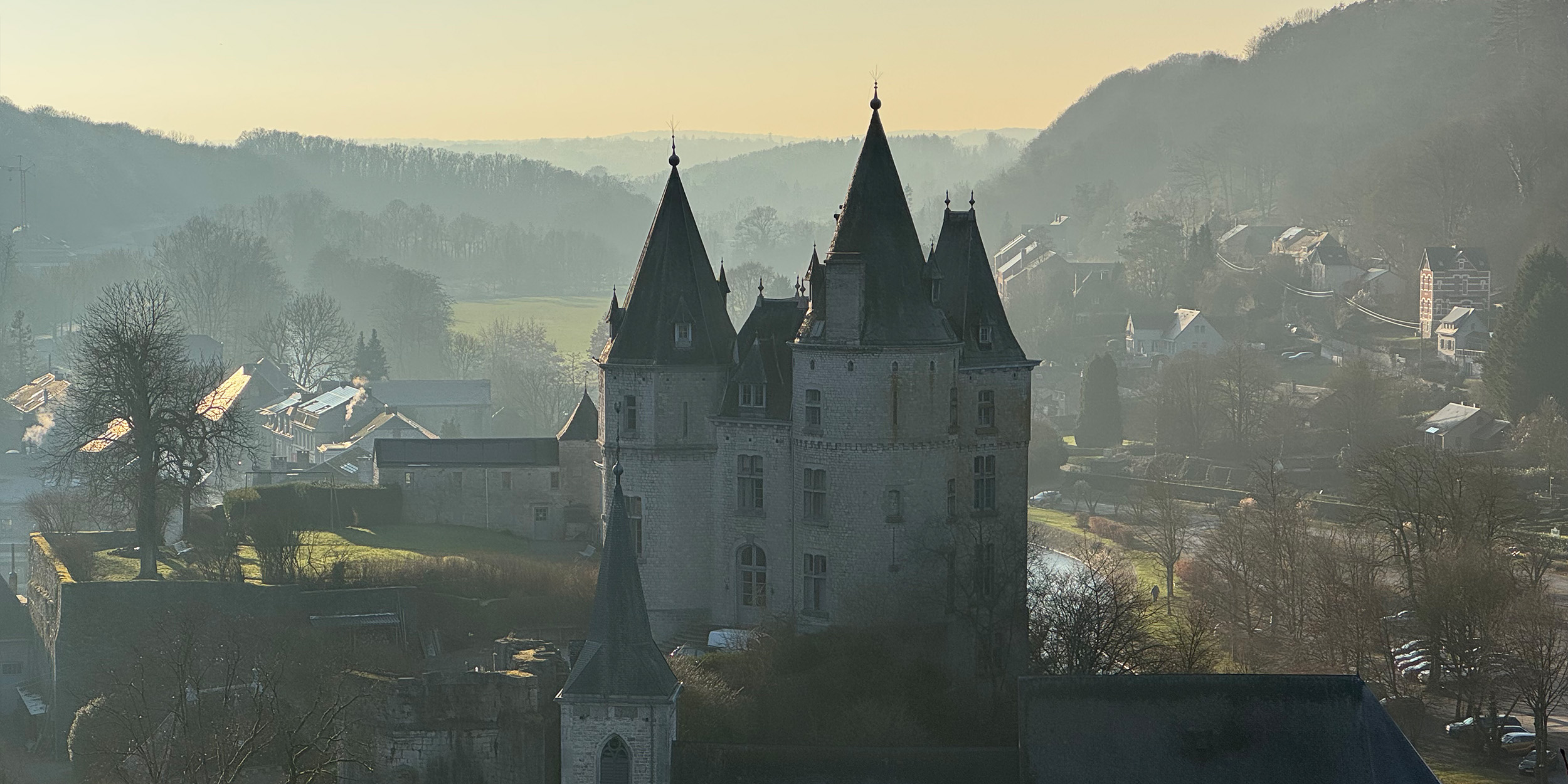
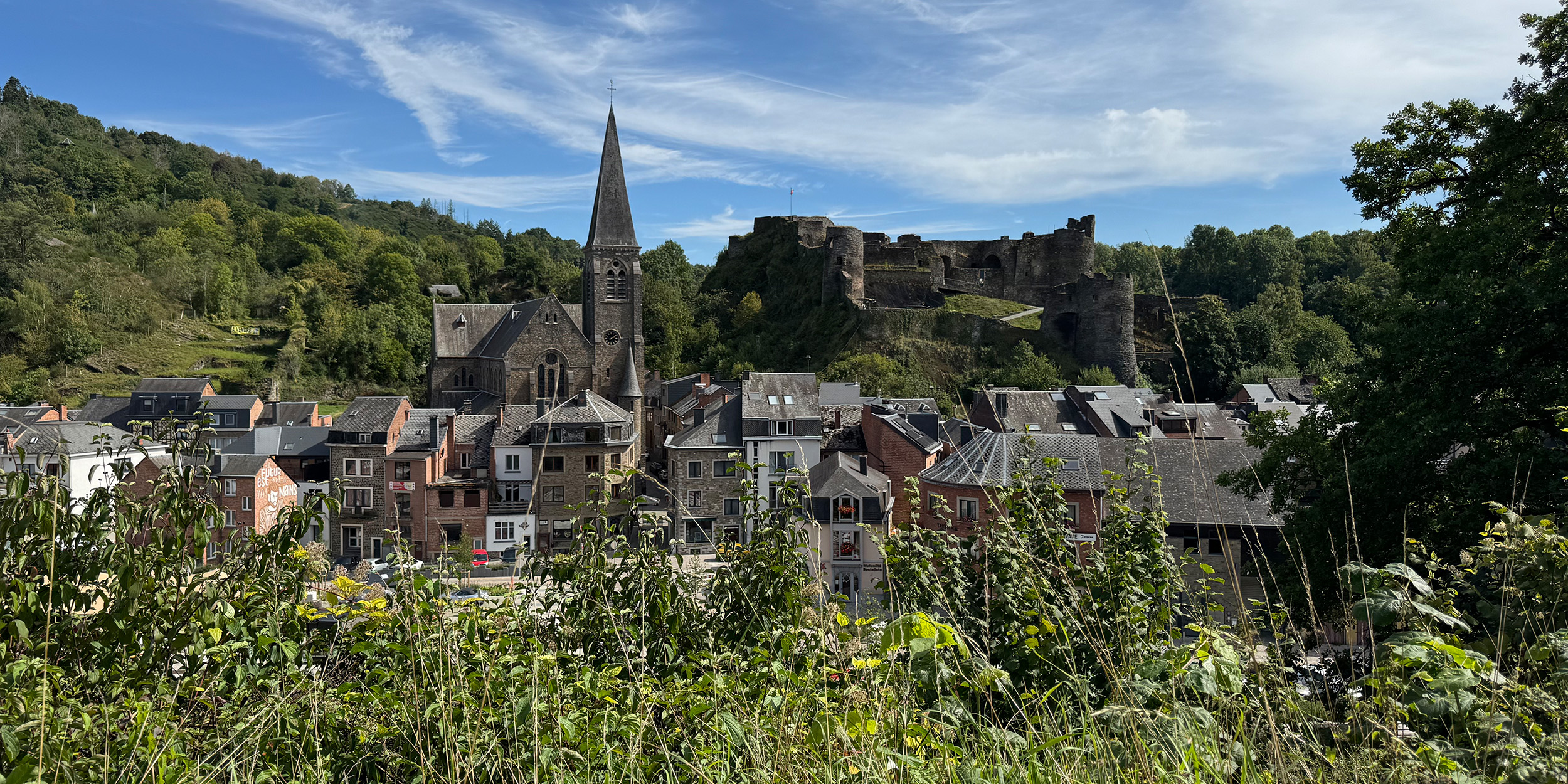
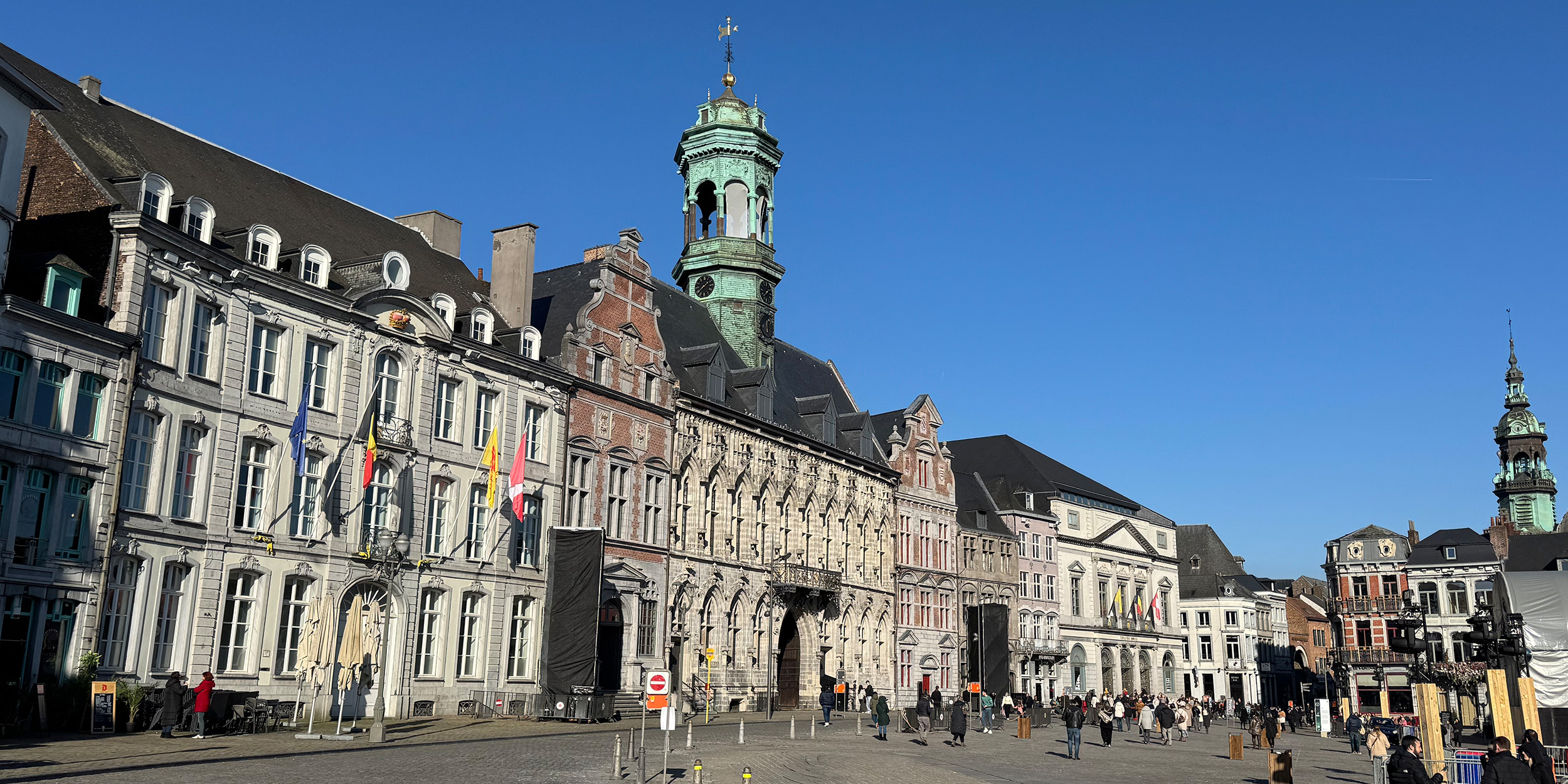
Hainaut shows two faces: alongside Charleroi, there are historic cities such as Mons, former European Capital of Culture, or Tournai with its cathedral, which is among the most significant cultural monuments in Western Europe. South of this, gentle hills, small villages, and a surprisingly tranquil landscape dominate.

Finally, the province of Liège combines contrasts within a small area: an industrial past, vibrant urban culture, and at the same time some of Belgium’s most beautiful natural areas, such as the valleys of the Meuse, Ourthe, and Amblève or the high moorland of the High Fens. In addition, there is the traditional spa town of Spa, which gave the word “spa” its name worldwide, as well as the German-speaking Community in the east, which forms its own cultural identity within Belgium.
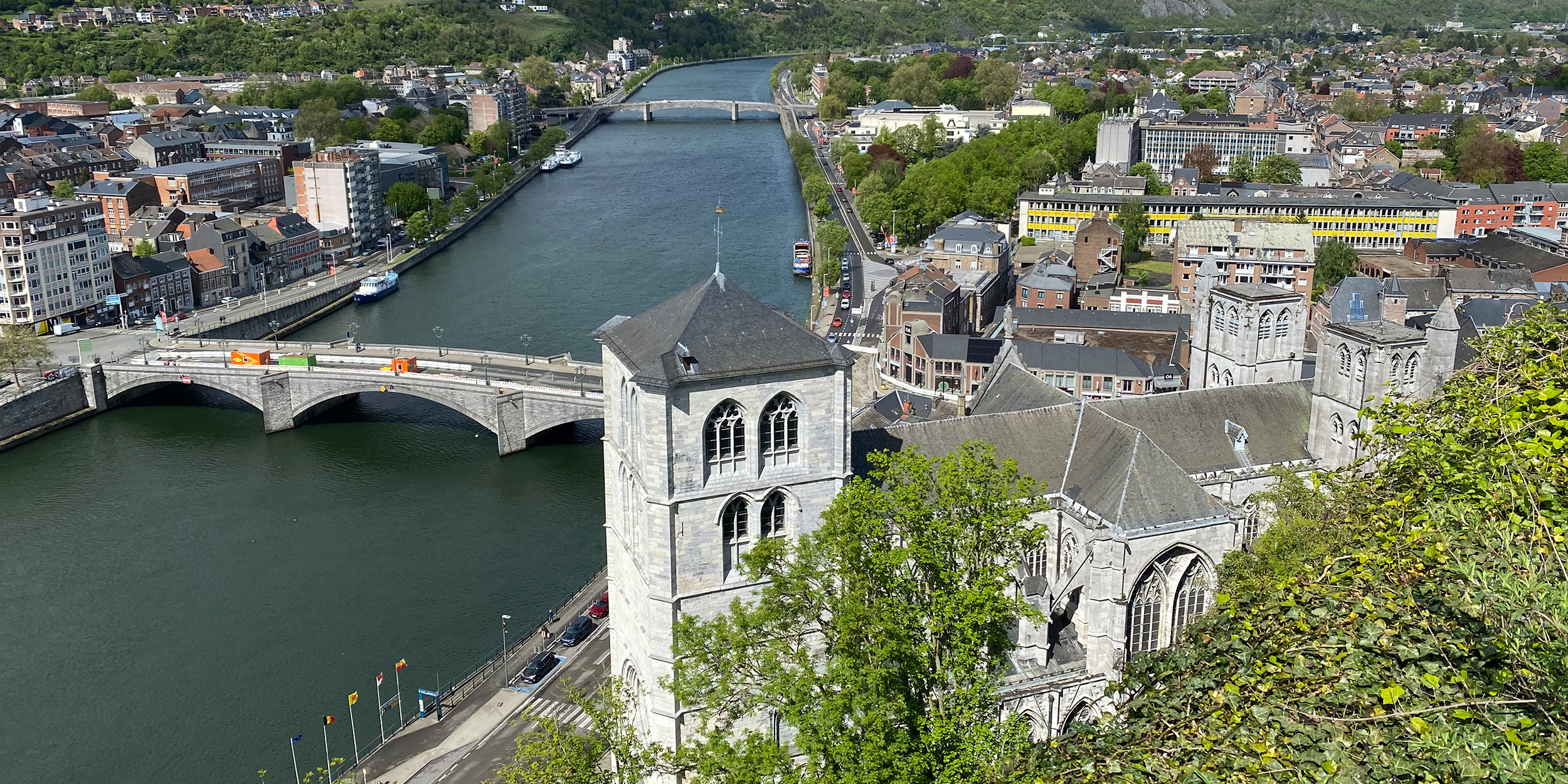

Wallonia is therefore not a uniform region of decline, but a multifaceted area in transition – with ruptures, but also with great beauty, cultural depth, and historical richness.

 © VisitBelgium.net
 © VisitBelgium.net
 © VisitBelgium.net
 © VisitBelgium.net
 © VisitBelgium.net

 © VisitBelgium.net
Leave a Reply
Want to join the discussion?Feel free to contribute!