Tag Archive for: Bruges

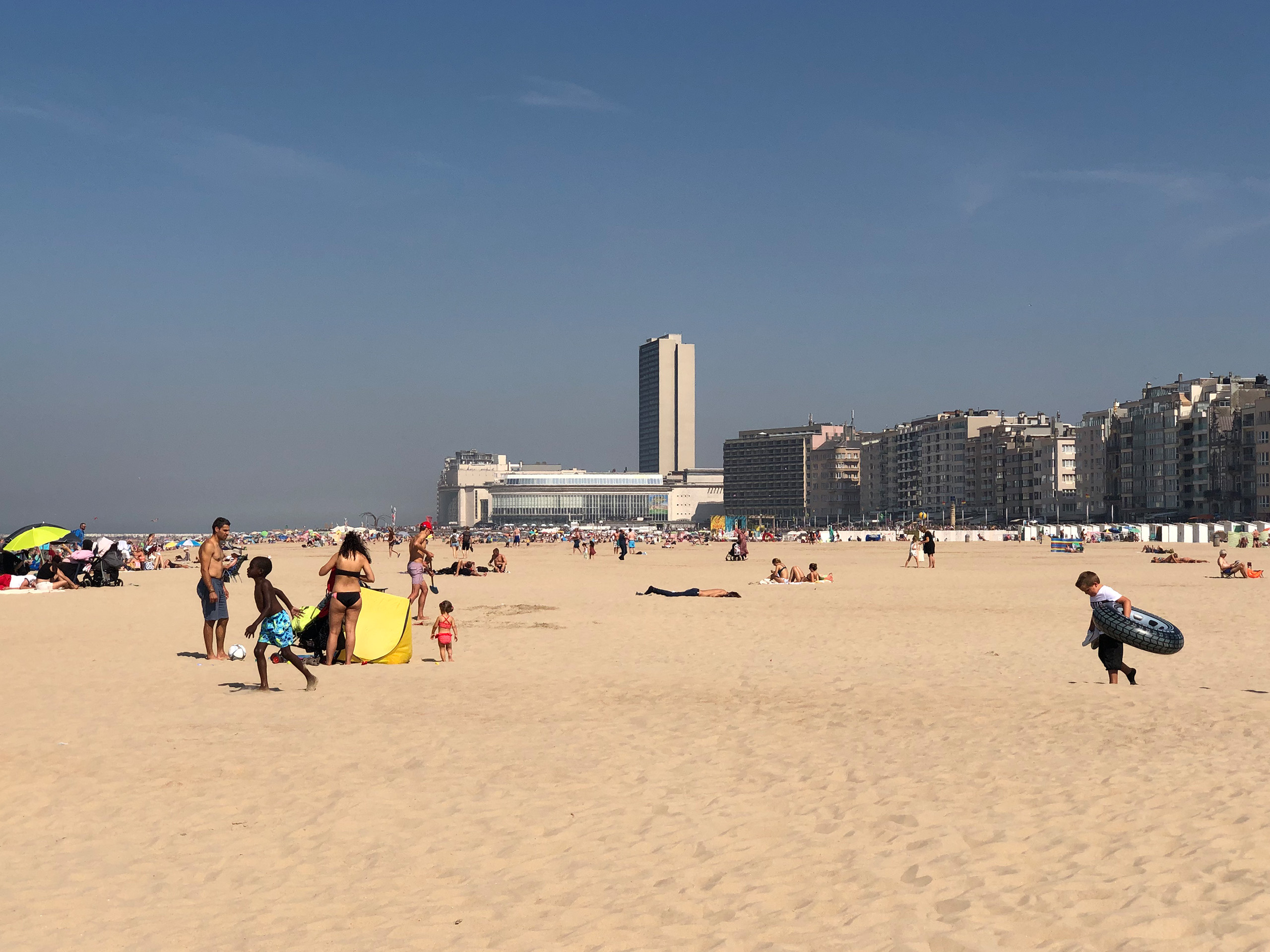
The Belgian coast stretches for 65 kilometers along the North Sea, forming the country’s westernmost coastal area. It runs from Knokke-Heist near the Dutch border to De Panne close to France. Despite its relatively short length, the coastline is densely built-up and heavily geared toward tourism. Thirteen seaside resorts make up the “Kust”, as it is called in Dutch. The entire region lies within the province of West Flanders.

One distinctive feature is the Kusttram, a coastal tram line that spans over 67 kilometers and connects all the seaside towns – from Knokke-Heist to De Panne. It is one of the longest tram lines in the world and is widely used by both locals and tourists.

Tourism plays a central role for the Belgian coast: several million visitors arrive each year, especially during the summer months. Many Belgians own second homes along the coast, and holiday apartments dominate the urban landscape in many towns. Tourism here is strongly seasonal, with beach holidays, gastronomy, and leisure activities at its core.

The entire coastline is bordered by wide sandy beaches, interrupted only occasionally by natural features such as dunes or polder landscapes.
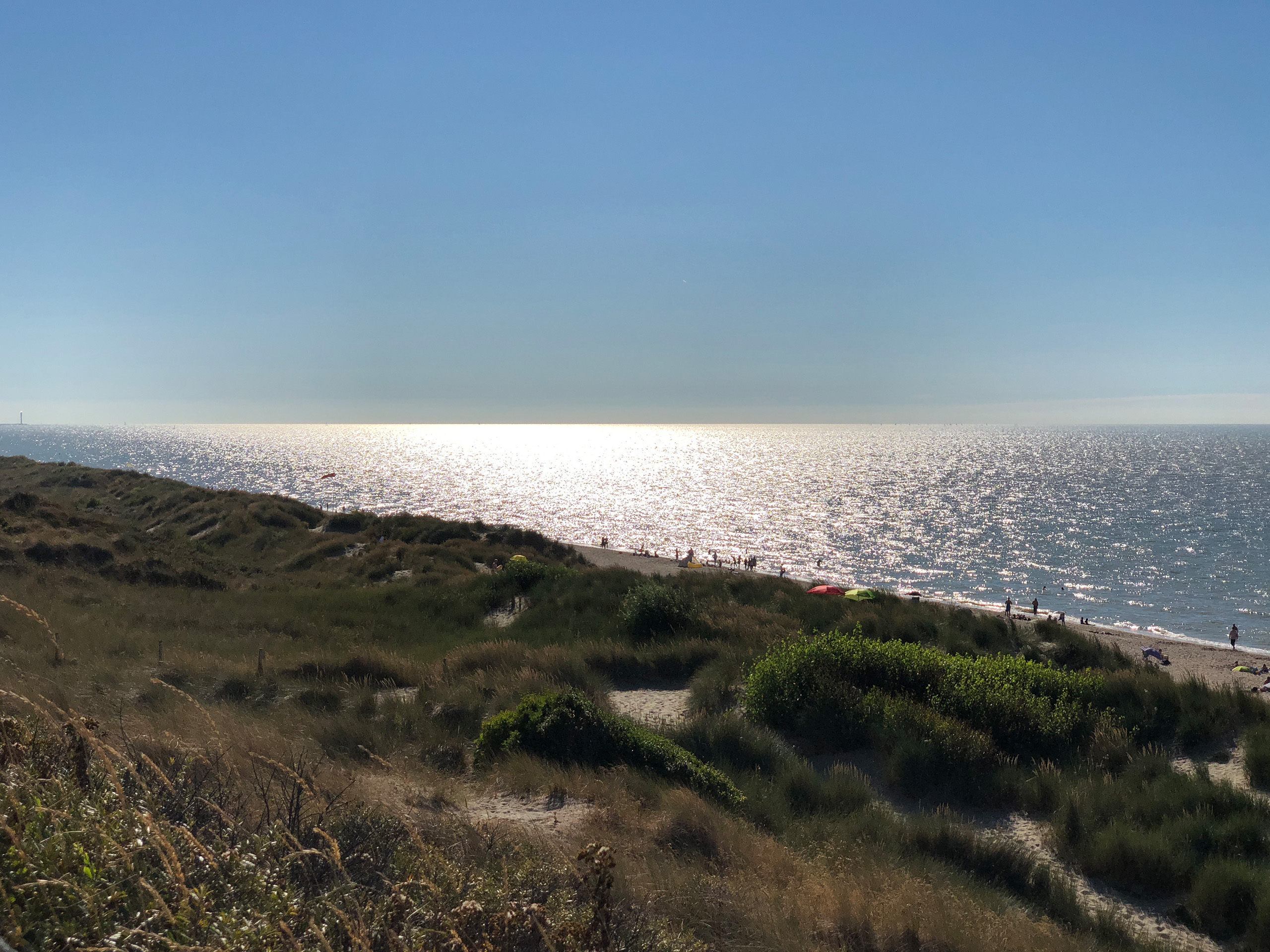
Despite dense development and increasing demand, the Belgian coast remains a place of contrasts: between upscale resorts, urban concentration, and quieter, less frequented stretches, it presents a complex and varied picture – between relaxation, mass tourism, and everyday life.

Below is an overview of the Belgian coastal towns, from north to south.

Knokke-Heist

Knokke-Heist feels like two places in one: an upscale retreat and a lively seaside town. Between galleries, boutiques, and manicured boulevards, a well-to-do crowd sets the tone. The beach is quieter, with long walking paths and expansive dunes. The town is lined with residential blocks and holiday apartments. In summer, terraces fill and bicycles dominate the streets. In winter, it feels empty but not abandoned. The nearby Het Zwin nature reserve adds a quieter dimension. Those seeking refined surroundings are more likely to find them here than spontaneous beachgoers.

Zeebrugge

Zeebrugge is, above all, a port – and it shows. The vast harbour, container terminals, and industry define the landscape. As a tourist destination, it’s more peripheral, which adds a certain charm. There’s a wide beach, often emptier than others, and a small coastal village with fishing traditions. Fresh fish is not only sold here but processed on-site. Much feels raw, functional – appealing to those seeking authenticity. Zeebrugge isn’t a typical holiday spot; it’s a place shaped by work, sea, and wind.

Blankenberge

Blankenberge is loud, bustling, tailored to young people, and made for summer. Along the broad promenade, you’ll find a mix of restaurants, cafés, beach bars, and vacation flats. Especially in July and August, it gets crowded – families, teens, day-trippers. Behind the front row, some traces of old seaside architecture remain, but modern tourism dominates. Off-season, Blankenberge seems a bit on pause.

De Haan

De Haan stands apart: no high-rises, no flashy promenade. The town feels quiet, almost old-fashioned – in the best way. Belle Époque villas, calm streets, and well-kept gardens set the tone. The beach is wide and free from large complexes, with dunes blending gently into the landscape. Visitors often seek peace: families, older couples, regulars. Even in summer, things stay relatively calm. De Haan has character – and that’s what makes it noteworthy. It’s a place for staying, not rushing through.

Bredene

Bredene is simple – and honest in that. The village lies slightly inland, separated from the beach by a stretch of dunes with no promenade. This natural barrier defines the experience: reaching the sea means crossing sand paths, not asphalt. Compared to neighboring towns, Bredene is quieter, less developed, and less commercial. There are basic accommodations, a campground, a few restaurants – mostly practical. One section of the beach is reserved for nudism, a local curiosity. If you’re after bustle, this isn’t the spot. But if you see the sea as a landscape, you’re likely in the right place.

Oostende

Ostend is maybe the only real city on the coast – with everything that entails: a train station, port, cultural venues, shopping streets. The beach is broad, framed by dense urban architecture. Many visit for day trips, concerts, or museums. In the center, it feels urban, with active dining scenes and a rough-edged history. It’s not a typical resort but a coastal metropolis with texture. In summer, it’s lively, but never purely touristic. Oostende remains a place to live and work – and you feel it. The contrast between sea, wind, and concrete is part of its identity.

Middelkerke

Middelkerke is a classic family beach town – functional, accessible, not flashy. The promenade is long and straight, lined with holiday flats, shops, and restaurants. Everything is geared toward summer: wide beaches, playgrounds, events. It’s suited for families with children. Inland, things calm down – the original town lies back from the coast. In winter, Middelkerke feels almost emptied out. The place lives in the rhythm between season and stillness – with the sea as its only constant.

Nieuwpoort

Nieuwpoort is split in two: a historic inland town and a modern coastal resort. Between them runs the harbour canal, lined with boat piers. The beach is spacious and well-kept, the architecture modern but not overwhelming. Summer brings activity – families, water sports, boaters. The old town center is quieter and steeped in Flemish brickwork charm. Nieuwpoort feels well-planned, even intentional – which makes it organized, but not dull. If you’re looking for a mix of beach, town, and harbour, this is a good match.

Koksijde

Koksijde feels expansive: large squares, wide streets, generous beach access. Architecture varies – modern residences alongside older vacation blocks. It caters to families but also older guests. In summer, it becomes lively, but never frantic. The Sint-Idesbald district adds a more cultured note, with galleries and art spaces. Nearby nature reserves like the Hoge Blekker dunes offer a softer contrast to the built environment. If you’re looking for space, comfort, and proximity to the sea, this might be the right place.

De Panne

De Panne, at the westernmost tip, feels slightly out of time. The town has a busy shopping street, many vacation flats, and one of the widest beaches on the coast. In summer, Belgian and French visitors flood in – it gets lively and colorful. Behind the promenade lies an open dune landscape with walking paths. A nearby amusement park draws families. De Panne isn’t a secret, but it has movement. If you’re after sand, proximity to France, and a family vibe, you’ll find it here.
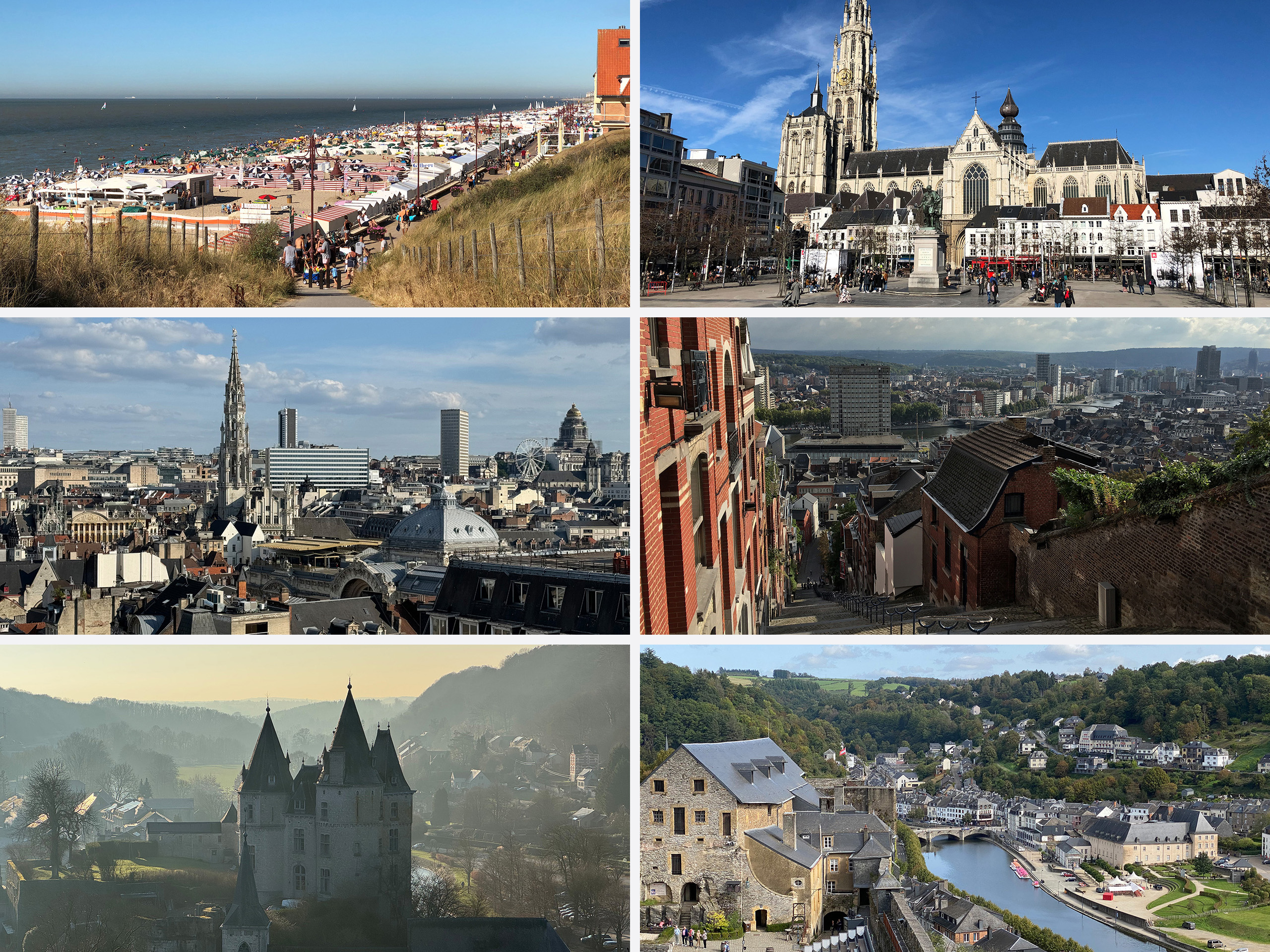
Large countries are characterized by their diverse landscapes and cities with distinct personalities. Belgium, however, is small: driving from north to south (Antwerp to Arlon) takes about 2.75 hours, while crossing from east to west (Eupen to Ostend) takes roughly 2.5 hours.

Despite its compact size of 30,000 square kilometers, Belgium offers an extraordinary variety: from fine sandy beaches along the North Sea coast, through the flat but water-rich region of Flanders, to the rolling hills of Wallonia, which are carved by deep river valleys.

Belgium has it all: vibrant metropolises like Brussels and Antwerp, museum-like art cities such as Bruges and Ghent, different types of coastal towns like Ostend and De Haan, thrilling industrial cities like Liège and Charleroi, and picturesque fortress towns like Dinant and Bouillon.

Of course, the diversity of Belgium is largely shaped by its two main regions: Flanders in the north and Wallonia in the south. Dutch (Belgian Dutch, which differs not only in the softer pronunciation) is spoken in Flanders, while French is the language in Wallonia. Near the German border, there is even a small German-speaking community, Ostbelgien (Eastern Belgium).

The appearance of Flanders and Wallonia is different, but with a few exceptions you can always recognise that you are in Belgium. Flanders does not look like the Netherlands, nor does Wallonia resemble France.

In fact, some neighboring cities in other countries exhibit Belgian influences, particularly Maastricht (Netherlands), Aachen (Germany), and Lille (France).

Now, let’s take a tour of seven cities. As a reference: driving through all seven city centers takes a total of 5 hours, covering a distance of 300 kilometers.

Ostend

With a population of 70,000, Ostend is the largest Belgian coastal city and serves as a major transport hub, connecting the main railway line (Cologne – Aachen -) Liège – Leuven – Brussels – Ghent – Bruges – Ostend with the coastal tramway. Despite its compact size, Ostend feels very metropolitan. In addition to its wide sandy beaches, the city offers a wealth of entertainment: excellent shopping, cozy cafés, outstanding restaurants, museums, a casino, and more. Tip: If Ostend feels too busy or built-up, take a 20-minute drive to the beautiful Belle Époque coastal town of De Haan.

Bruges

After a 30-minute drive, we reach Bruges. There’s little need to introduce this jewel of a city with 120,000 inhabitants: an absolutely perfect, living open-air museum with stunning churches, art treasures, picturesque squares, canals, and winding streets. While Bruges is very crowded in summer, it is very romantic in the other seasons.

Antwerp

After an 80-minute drive, we arrive in Antwerp (skipping over the must-see city of Ghent to keep this tour concise). Antwerp is a stunning Flemish metropolis of 530,000 residents, reknown for its huge port and its art and fashion scene. Lovers of culture, art, architecture, fashion and shopping will be delighted with what this city has to offer.

Brussels

An hour later, we reach Brussels, the bilingual heart of Belgium – an enclave within Flanders, close to the Walloon border. With a population of 1.2 million, Brussels is a metropolis that feels even larger and more urban due to its capital status. It boasts grand historical buildings, large churches, colossal palaces, royal museums, an awe-inspiring triumphal arch, the Atomium, Art Nouveau neighborhoods, and much more – everything a proud capital should have. However, Brussels is also affected by the decline seen in many European cities.

Charleroi

Shortly after leaving Brussels, we enter Wallonia. An hour later, we arrive in Charleroi, the largest city in Wallonia with 200,000 residents. Once a thriving industrial hub, Charleroi is not your typical tourist destination – it is, in most areas, run-down and even considered ugly, but that’s precisely what makes it famous. It attracts adventurous visitors interested in industrial history, urban art, and urban exploration.

Namur

Thirty minutes later, we find ourselves in a completely different world: the elegant Walloon capital of Namur, home to 110,000 people. Located at the confluence of the Meuse and Sambre rivers, Namur features a large fortress atop a hill, accessible by foot, cable car, or car. From there, visitors can enjoy beautiful views of the rivers, the historic city center, and the Meuse Valley. The city itself is filled with charming squares, inviting cafés, excellent restaurants, and stylish boutiques. It has a distinct southern European flair.

Dinant

Continuing through the lovely Meuse Valley, passing green mountains and fascinating rock formations, we reach our final destination: Dinant. This small town of 13,000 people is the postcard image of Wallonia: a river, a bridge, colorful houses, a grand church, and a massive rock formation crowned with a citadel. Tip: For those interested, a 20-minute drive along the Meuse River leads into France.

The belfry (Dutch belfort, French beffroi) is a significant architectural and historical landmark in Belgium, particularly in Flanders, but also in Wallonia and northern France. These imposing towers were erected in the Middle Ages by secular city authorities or guilds as symbols of civic power, often in contrast to that of the Church. Many of these belfries have been preserved in Belgium and are now part of the UNESCO World Heritage.

Most belfries were built during the Gothic period and rank among the most important secular buildings of the Middle Ages. Typically, a belfry is connected to the town hall or stands independently beside it.

As the safest place in a city, the tower usually housed the city archives and the treasury. Additionally, it served as a watchtower, with its bells warning the population of dangers such as fires or attacks, as well as announcing public matters. These duties were carried out by the tower keeper. A city bell also structured daily life, marking time and signaling various events.

Belgium is particularly rich in belfries. Their architectural designs are often stunning and reflect the craftsmanship of medieval builders. These structures showcase unique architectural styles, blending Gothic, Romanesque, and Baroque influences.

My personal Top 5 Belfries in Belgium

Tournai

The oldest surviving belfry stands in Tournai, built in the 12th century. At 72 meters high, it is not only the oldest but also one of Belgium’s most impressive belfries.

Bruges

The Belfry of Bruges is one of Belgium’s most famous and most visited towers. Standing 83 meters tall, it dominates the city’s market square. Built in the 13th century, it houses an impressive carillon with 47 bells.

Mons

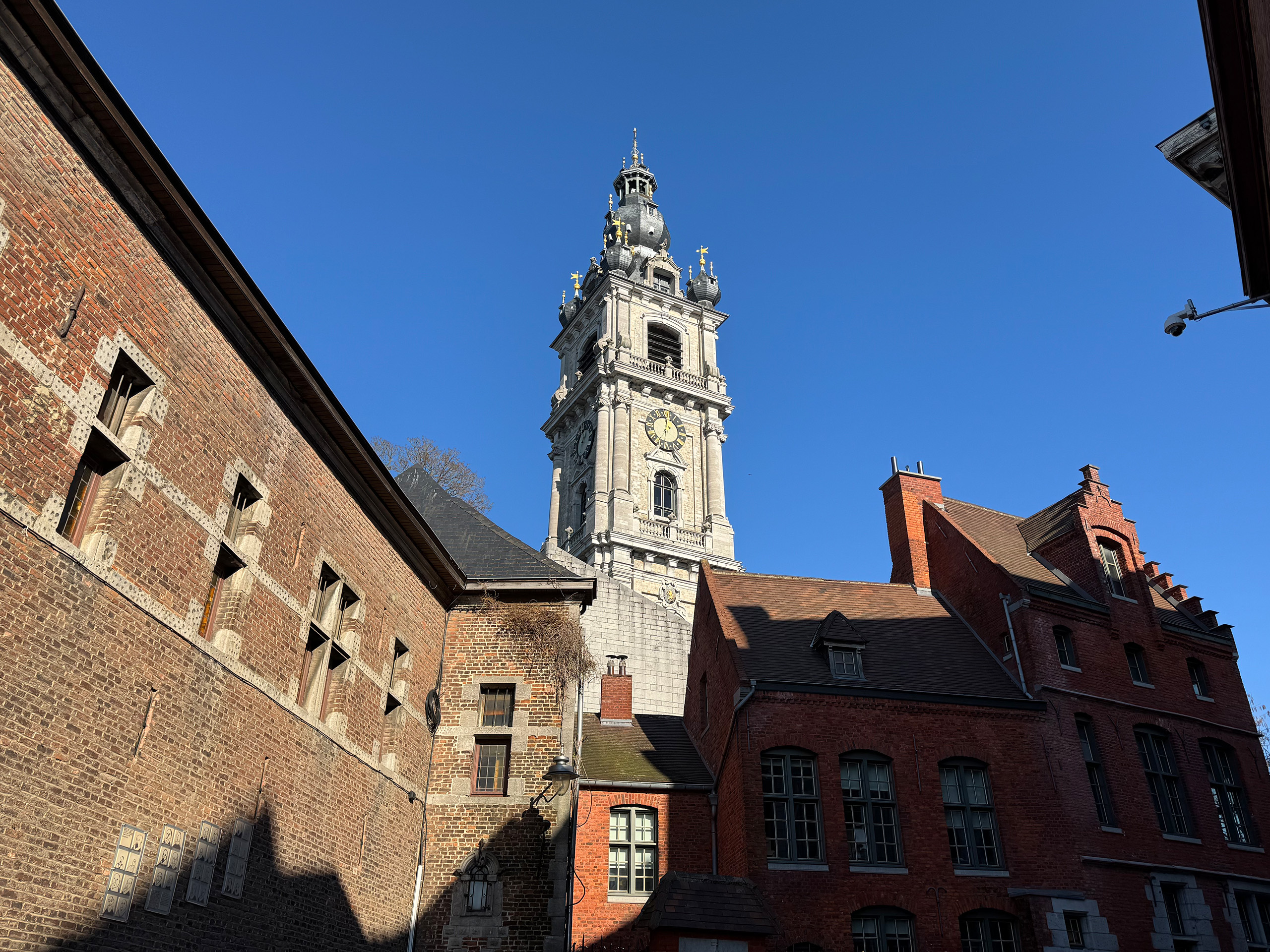
Built in the 17th century in Baroque style, this is Belgium’s only Baroque belfry and a striking landmark of the city of Mons. It stands on an elevated site, away from the town hall.

Ghent

The Belfry of Ghent, built in the 14th century, is crowned with a dragon, which has become a symbol of the city.

Charleroi

A more recent belfry from the early 20th century, it is connected to the town hall of Charleroi and represents a modern interpretation of traditional belfries.

I would also like to mention the belfry of Lille, located in French Flanders, near the Belgian border. This tower is particularly slender and tall (104 meters) and was only completed in 1932. It impresses with its magnificent Art Deco style.

The belfries of Belgium and France were recognized as UNESCO World Heritage Sites in 1999, 33 of them in Belgium alone. This recognition highlights their historical and cultural significance. These towers are not only architectural masterpieces that reflect the history and development of medieval cities, but also symbols of freedom, self-governance, and economic prosperity.

Belgium is a small country filled with historically significant sites. Currently, there are 79 UNESCO World Heritage sites in Belgium, with more being added. Here is an updated overview:

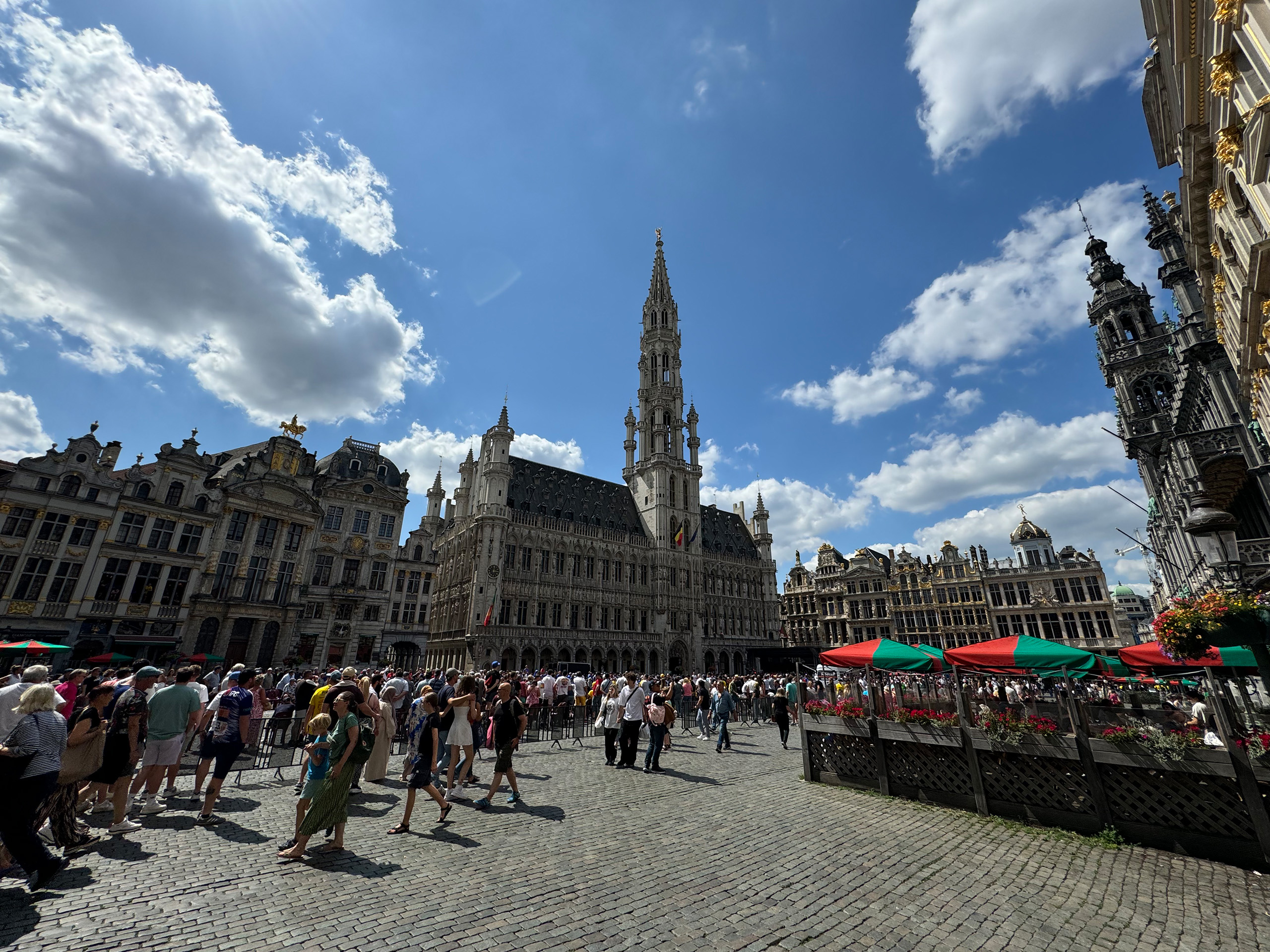
Grand Place in Brussels

The Grand Place in Brussels was built in the 11th century and is now the historic center of Brussels. Originally, the square showcased a vibrant mix of styles from the 15th to the 17th centuries. After its destruction in 1695, the city council redesigned it with its current cohesive Baroque facade.

Major houses of the architect Victor Horta in Brussels

Victor Horta was a Belgian Art Nouveau architect who gained international acclaim in the late 19th century for the innovative designs of his buildings.

Stoclet House in Brussels

The Stoclet Palace is a private villa designed by architect Josef Hoffmann, built between 1905 and 1911 in Brussels for banker and art enthusiast Adolphe Stoclet. Considered Hoffmann’s masterpiece, the Stoclet Palace is one of the most sophisticated and luxurious private houses of the 20th century.

33 Belfries in Flanders and Wallonia

Belfries were primarily built during the Gothic period and are tall, slender bell towers typical of Belgian (and northern French) cities.

26 Beguinages in Flanders

The Beguines and Beghards were members of a Christian community who lived together in monastic-style communities. The 26 preserved beguinages in Flanders are examples of typical architectural ensembles.

Historic Center in Bruges

The medieval old town of Bruges, with its historic buildings, impressive churches, and numerous canals, has been almost entirely preserved.

Plantin-Moretus House in Antwerp

The museum in Antwerp traces its origins to a printing house founded in 1555 and is the only preserved printing workshop from the Renaissance and Baroque periods.

Cathedral of Notre-Dame in Tournai

Construction of the cathedral of Tournai began in 1110 in the Romanesque style. Subsequent modifications introduced early Gothic elements. Due to its architectural harmony and historical significance, it is considered one of the most beautiful cultural monuments in Western Europe.

4 Boat Lifts of the Canal du Centre

The Canal du Centre connects the Canal Nimy-Blaton-Péronnes with the Charleroi-Brussels Canal. The height difference along its course posed a significant challenge during its construction. The boat lifts, mostly preserved in their original condition, were built between 1882 and 1917 to overcome this obstacle.

4 Walloon Mining Sites

The World Heritage sites includes the coal mines of Grand-Hornu, Bois-du-Luc, Bois du Cazier, and Blegny in the Walloon coal basin, dating from the industrial revolution. These four mines stretch across Belgium from east to west and are among the best-preserved mines from the 19th and 20th centuries.

Neolithic Flint Mines of Spiennes in Mons

The flint mines at Spiennes in Mons date back to the Neolithic period and are the largest in Europe, with shafts approximately 15 meters deep.

And also:

Carnival of Binche

Marches of Entre-Sambre-et-Meuse

Processional Giants and Dragons

Traditional Games in Flanders

Shrimp Fishing on Horseback in Oostduinkerke

Belgium transforms into a winter wonderland during the Christmas season, enchanting visitors with its festive atmosphere, twinkling lights, and rich traditions. With its charming cities, world-renowned Christmas markets, and culinary delights, Belgium is the perfect destination to celebrate the magic of the holidays.

Tradition of Christmas Markets

In Belgium, Christmas markets can be found almost everywhere, some running from the end of November until after New Year’s (including opening on Christmas Eve), while others last only for a week or a weekend (mainly in small towns and villages).

The focus is clearly on stalls offering delicious food and drinks, festive decorations, lighting, ferris wheels, small rides, and ice skating. Depending on the region, you’ll find varying numbers of stalls selling Christmas items, decorations, and handicrafts – but the main attraction is definitely the food.

The largest and most beautiful Christmas markets are found in cities like Brussels, Antwerp, and Bruges, while the most picturesque ones are undoubtedly in the small towns of the Ardennes – especially if there is snow, which is not unlikely.

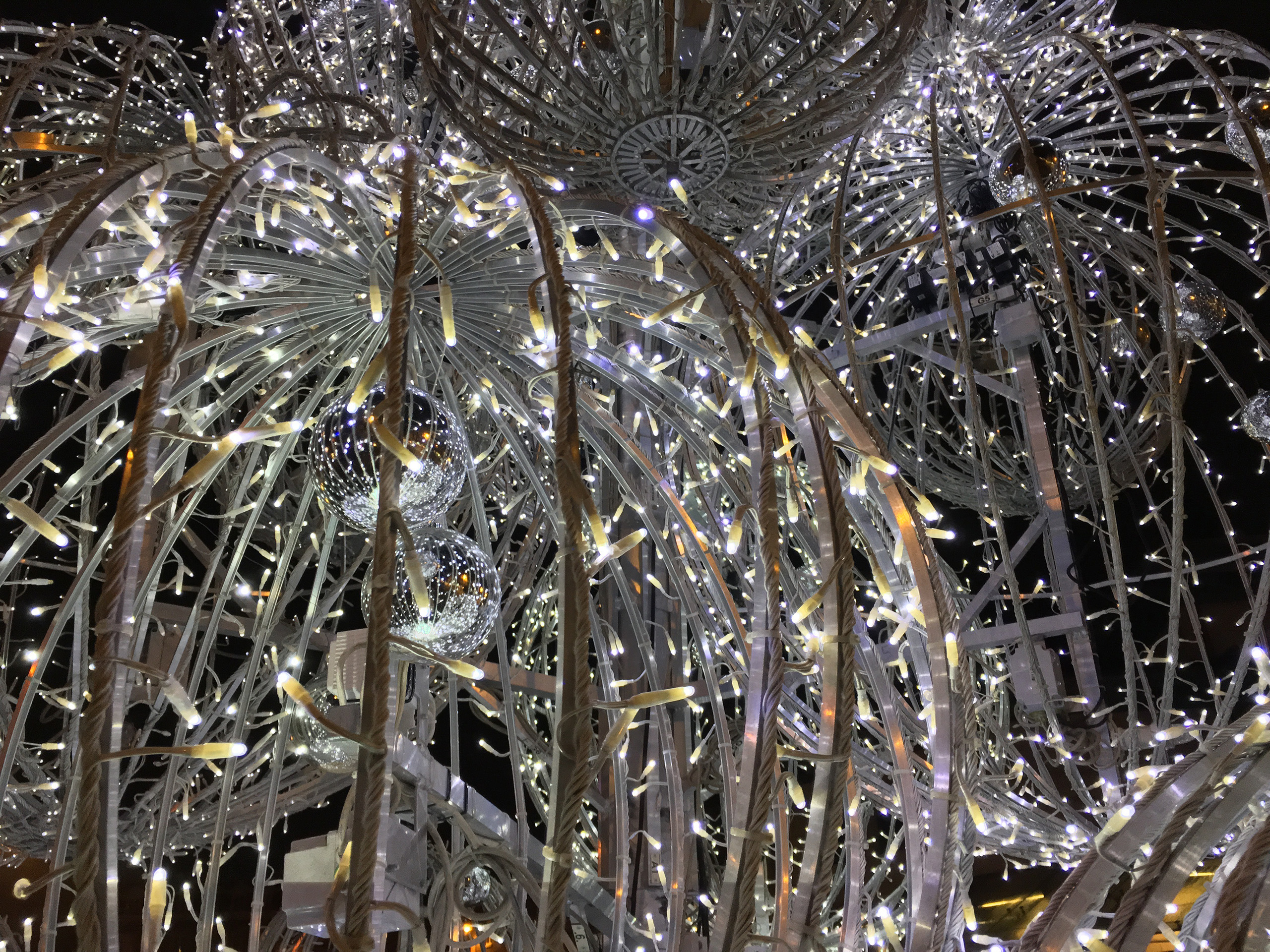
In Brussels, the Winter Wonders market is a highlight of the season. Located in the heart of the city, it stretches across the Grand Place, Bourse, Place Sainte-Catherine to the quays. This market boasts over 200 wooden chalets, a stunning light show projected onto the UNESCO-listed Grand Place, and a giant Ferris wheel offering panoramic views of the city. Visitors can shop for handmade gifts, taste waffles and mulled wine, or skate on the ice rink.

The Antwerp Christmas market is another must-visit. It spans multiple locations, including the historic Groenplaats and the banks of the river Scheldt. Here, visitors can enjoy a mix of artisan stalls, traditional Belgian beers, and unique souvenirs. Antwerp also offers a giant slide and themed rides for families.

In Bruges, the fairy-tale cityscape becomes even more magical during Christmas. The Markt square, surrounded by medieval architecture, is transformed into a festive hub with a cozy market and ice skating rink. The canals, illuminated with sparkling lights, add an extra touch of romance.

Belgian Christmas Cuisine

No trip to Belgium is complete without indulging in its famous culinary offerings. During the Christmas season, the markets provide an array of festive treats. Try Speculoos cookies, spiced and shaped into holiday motifs, or enjoy freshly made “Oliebollen”, deep-fried dough balls dusted with powdered sugar. Brussels and Liège waffles are also a must. Belgium’s legendary chocolate and pralines make perfect gifts and indulgent snacks, with many chocolatiers creating special Christmas editions.

Warm up with a cup of mulled wine or sample Belgian beers brewed specially for the season. Christmas beers, such as “Delirium Noël”, are rich, spiced, and perfect for winter evenings.

Holiday Traditions

Belgium’s Christmas celebrations also feature unique traditions. Saint Nicholas, known locally as Sinterklaas, plays a significant role, especially for children. Celebrated on December 6th, this figure brings gifts and treats, marking the start of the festive season.

On Christmas Eve, families gather for a traditional feast, often including dishes like roast turkey, venison, or seafood, followed by desserts such as “Bûche de Noël” (Yule log cake). Midnight Mass remains a cherished custom in many parts of the country.

A Season of Lights and Joy

From the dazzling light displays in Liège to the quaint charm of Ghent’s markets, every corner of Belgium sparkles with holiday cheer. Whether you’re exploring medieval towns, savoring festive flavors, or enjoying the warmth of local hospitality, Belgium offers an unforgettable Christmas experience!