Tag Archive for: Herve

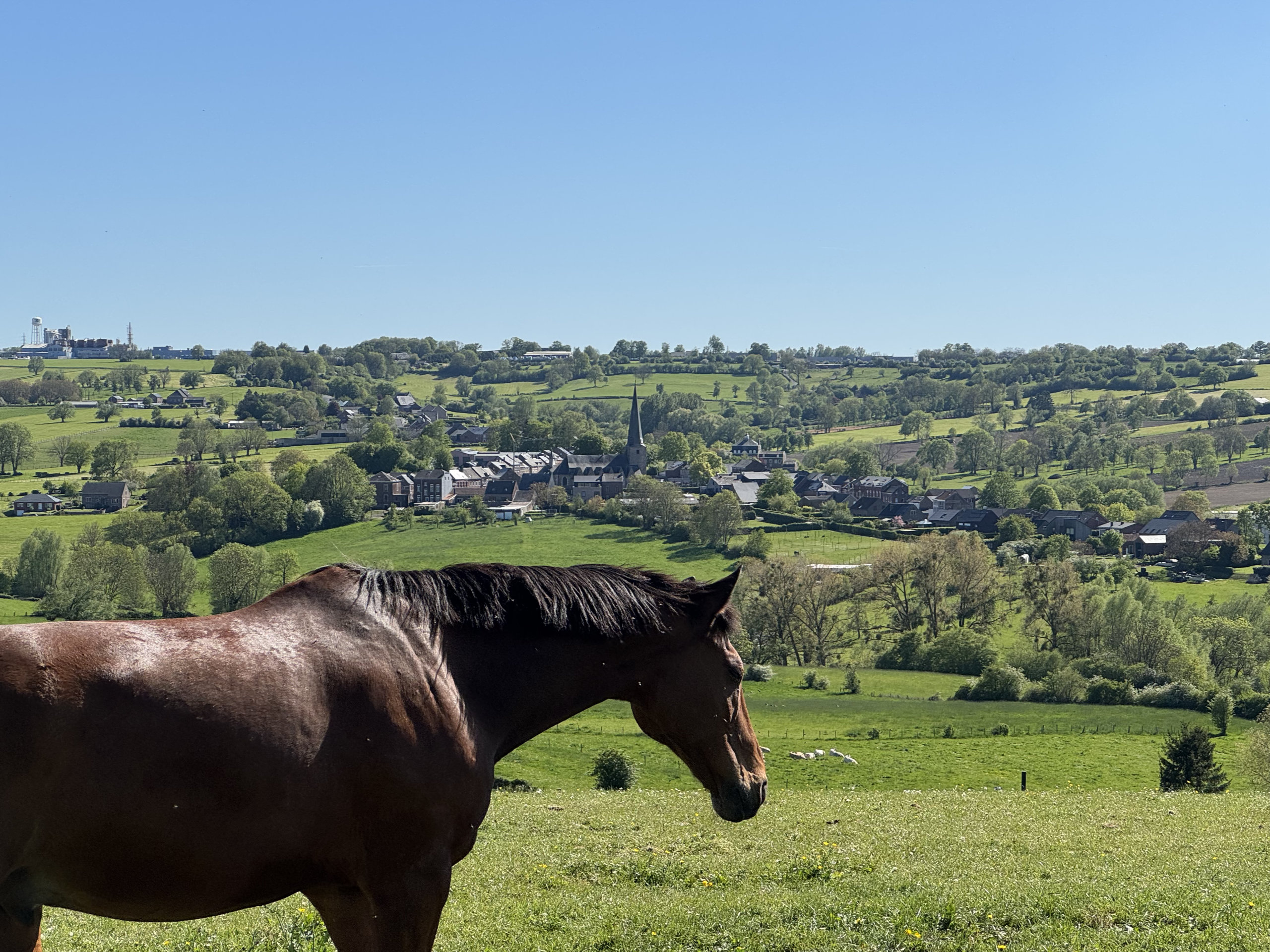
The Pays de Herve in the east of Belgium is one of the most distinctive cultural landscapes of Wallonia. Nestled between Liège, Aachen, and Maastricht, the region lies at the tri-border area and is therefore easily accessible for many. Despite this location, the Herve countryside feels calm and almost a little out of time.

A gentle Landscape with ever-changing Perspectives

What makes the Pays de Herve special is not spectacular in the classic sense. Typical are the gentle hills and hollows, and a pronounced small-scale structure. Small meadows, orchards, and fields are separated by hedges and rows of trees, creating a dense, almost mosaic-like landscape. When hiking, you naturally follow this rhythm: uphill, then downhill again, a new view, a different perspective. Cows in the pastures, old fruit trees, individual farmhouses – everything feels organic and natural. This is especially impressive in the early morning. When mist lies in the hollows and the hills emerge from it, a calm, almost otherworldly atmosphere arises. With the first sunlight, the landscape appears soft, peaceful, and incredibly harmonious.

Between small Towns and wide Views

The town of Herve is a quiet, pleasant starting point with a recommended tourist information office in the old train station, from where the region can be easily explored. However, the surrounding places are even more interesting.

In the charming little town of Aubel, the region shows its lively side on Sundays. The market is widely known and attracts many visitors – not as a typical tourist attraction, but as a genuine weekly market with regional products and delicacies.

The Cross of Charneux is one of those places that may seem unremarkable at first glance, easy to overlook – but then turn out to be among the most impressive. It stands on a hill next to a wide horse pasture, offering a magnificent view over the surrounding landscape.

The Abbaye du Val-Dieu is a former Cistercian abbey set idyllically in a small valley. Today, the complex is excellently preserved and combines historical architecture with active use. Visitors can stroll through the grounds, visit the church, or simply enjoy the special atmosphere. An important part of the experience is also the abbey’s brewing tradition. The beers brewed here are known far beyond the region and can be tasted directly on site – best enjoyed on the terrace of the restaurant.

With Clermont-sur-Berwinne, the region reveals its most picturesque side. The tiny village with its natural stone houses is one of the most beautiful in Wallonia – and yet remains completely unpretentious.

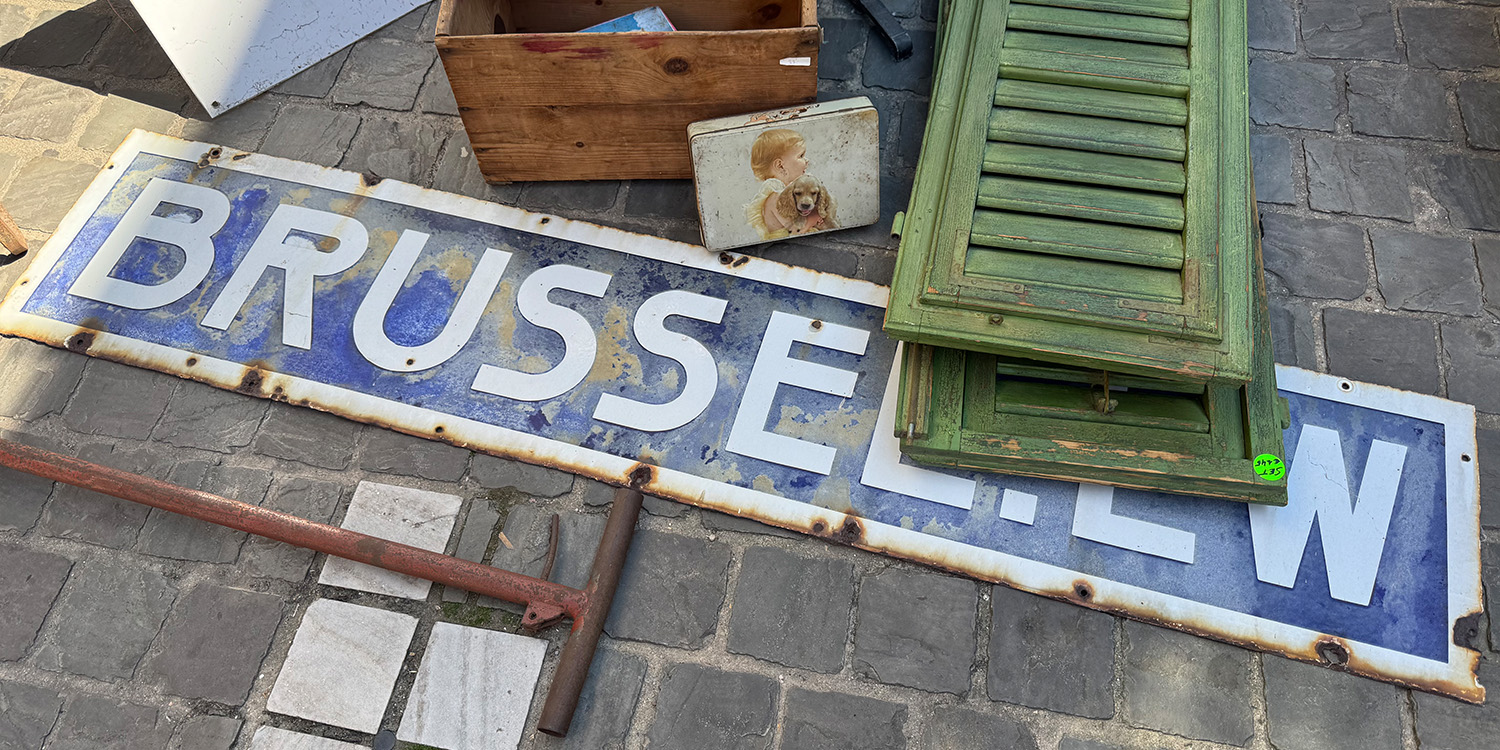
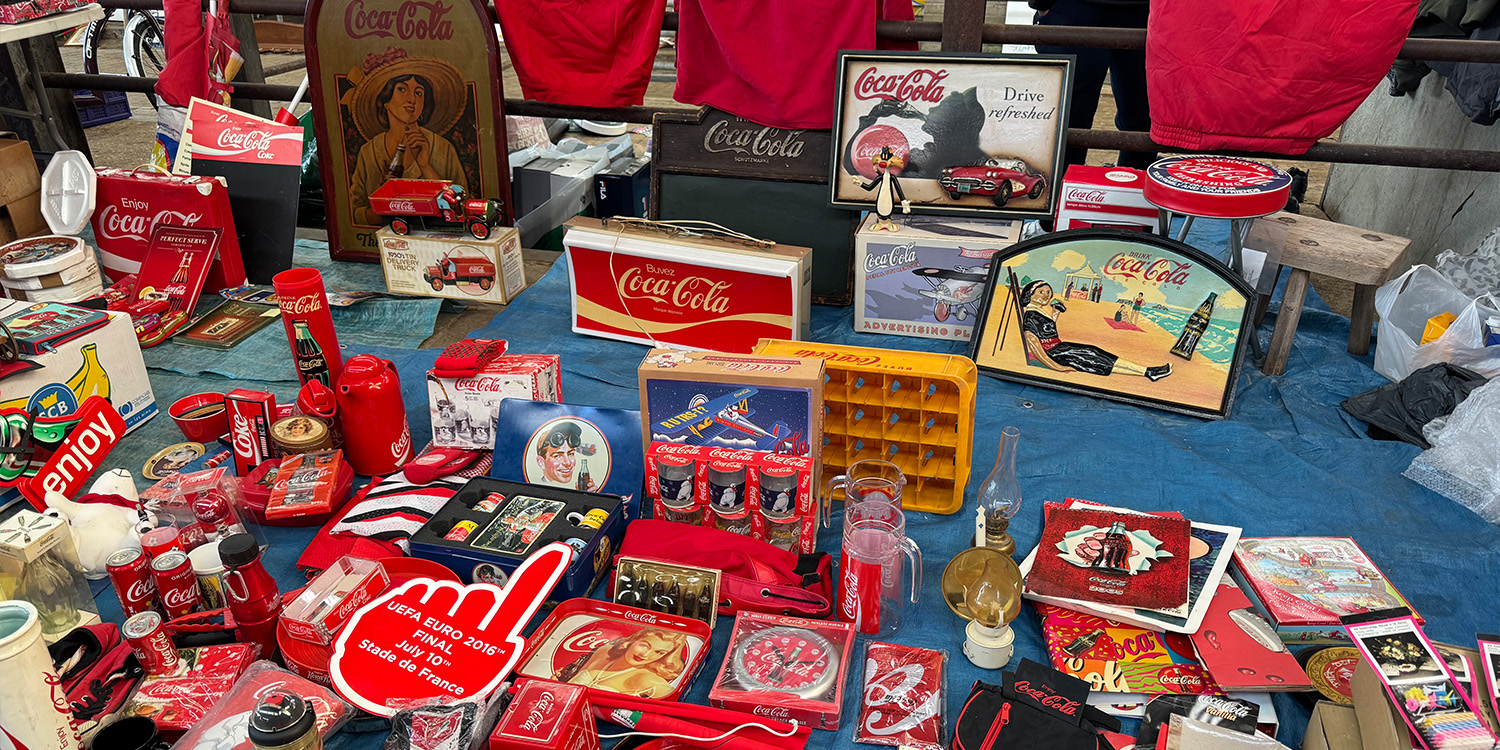
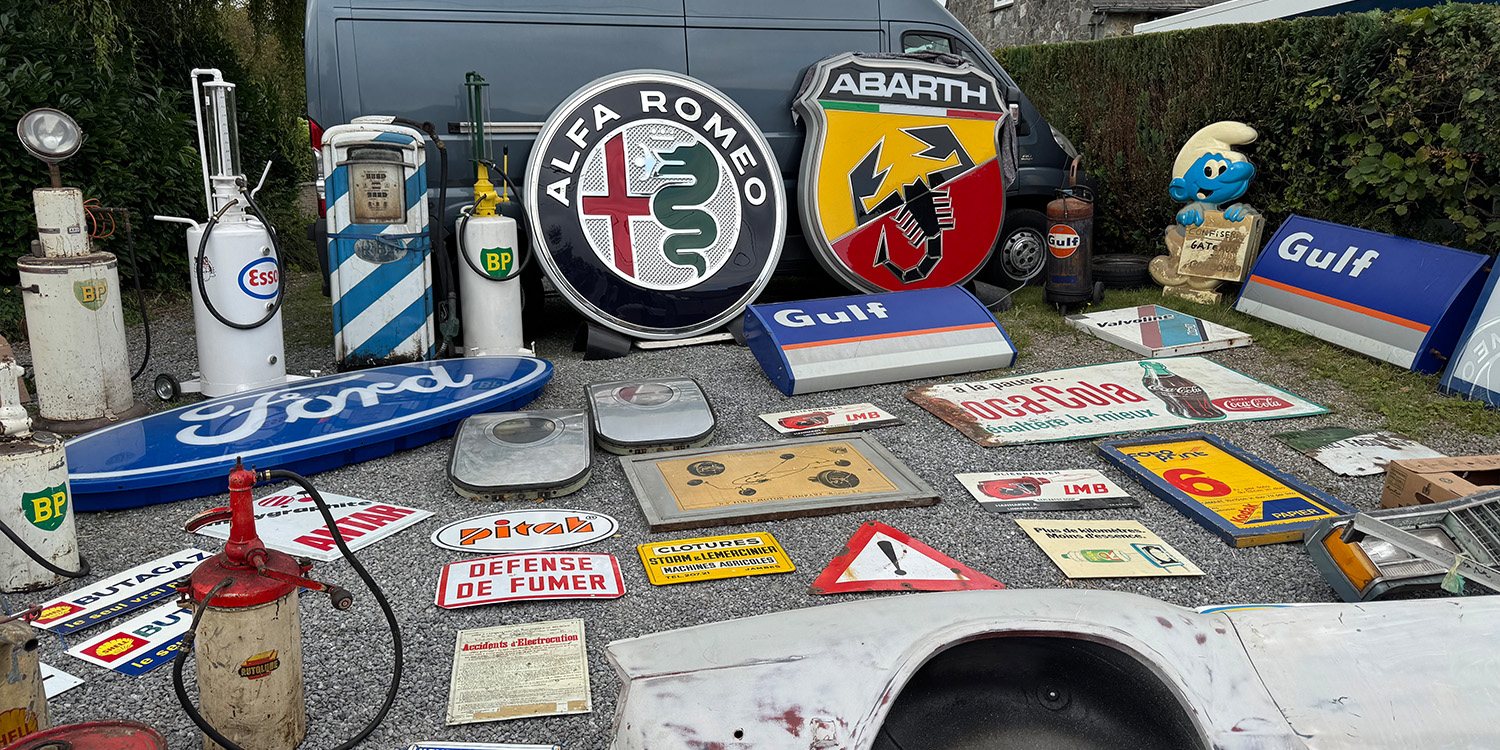
And then there are discoveries like the flea market in Battice, which develops its own down-to-earth atmosphere on Sundays. The flea market is held in a fully covered hall that is normally used for cattle trading. A wide variety of items are sold here: knick-knacks, decorations, furniture, collectibles, and tools. It’s not uncommon to discover awesome unusual rarities among the 200 stalls.

Cuisine that matches the Landscape

The cuisine of the Pays de Herve is closely tied to the region – down-to-earth, intense, and distinctive.

The famous and infamous Herve cheese, available in every Belgian supermarket, is its most well-known hallmark. Its strong smell is legendary, as is its taste. It is not a product that tries to please, but one that shows character – especially if you choose the pikant rather than the mild variety.

Liège syrup perfectly complements this uniqueness. Made from apples and pears, it combines sweet and slightly spicy notes and is an everyday staple in the region. It is often used as a spread on bread, with cheese, or as an ingredient in sauces.

The numerous orchards also provide juices and cider. Beer also has a firm place here, particularly at the Abbaye du Val-Dieu, whose brewing tradition is closely linked to the region.

A Region to experience – not to tick off

The Pays de Herve is not a place for major sights or spectacular attractions. It is an extremely cozy region that unfolds quietly. You drive or hike through the landscape, stop at viewpoints, discover small villages, try regional products – and realize that this is exactly where its charm lies.

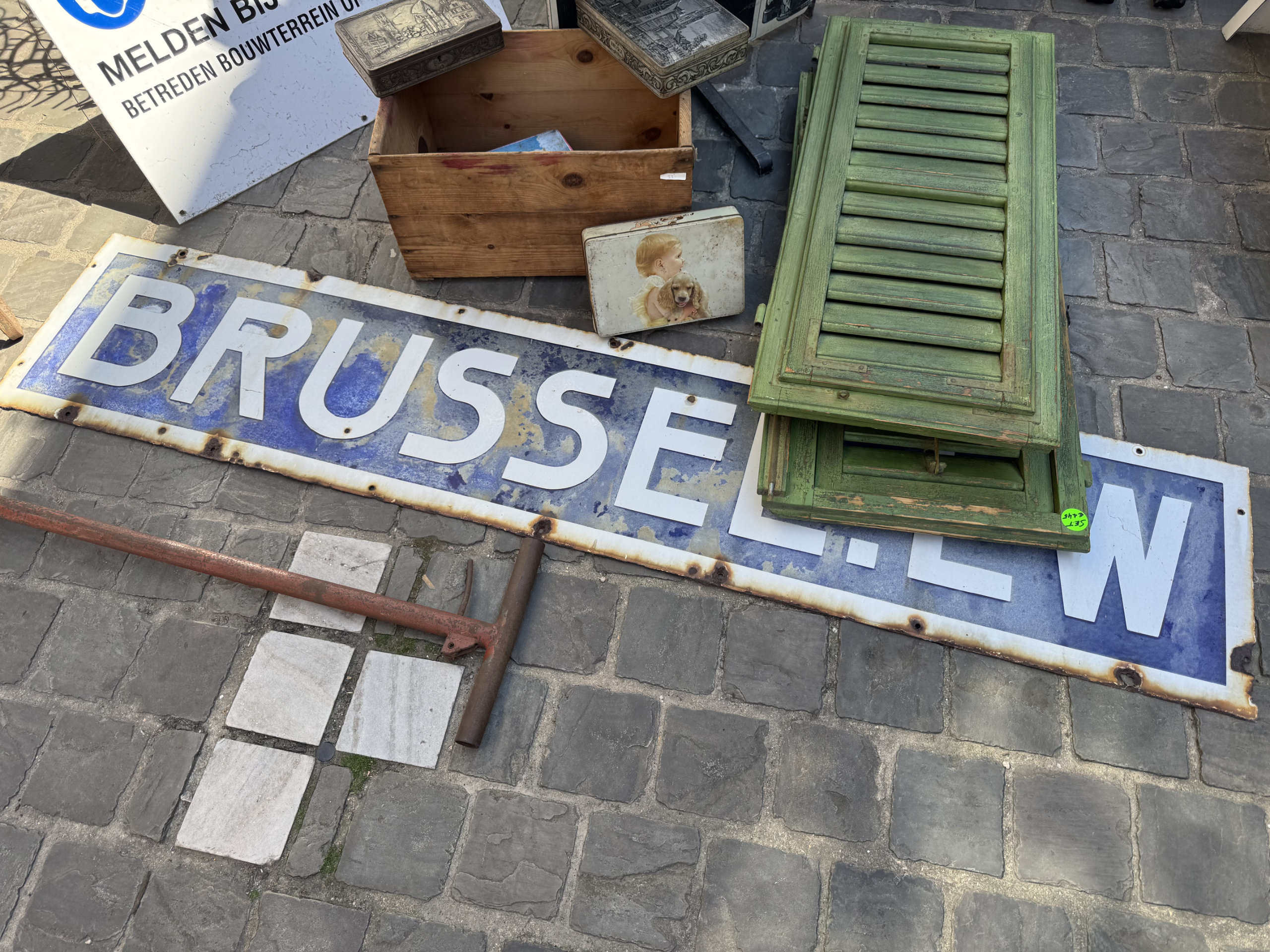
Belgium is a haven for lovers of flea markets. You can find just about everything imaginable, from the 18th century to the 1990s. At good, traditional flea markets, new items are not allowed, but there are plenty of unusual and rare things – that don’t have to be expensive. Markets are organised every weekend in countless locations. There is even a daily flea market in Brussels, while some others only take place once a year. Many visitors enjoy spending hours browsing through antiques, vintage clothing, books, records, furniture, and hidden treasures from different periods of history.

Here are my personal favourites:

Antiekmarkt Tongeren

every Sunday

Leopoldwal, Tongeren

The Antiques Market in Tongeren is the largest of its kind in the Benelux region. It takes place every Sunday from 7 AM to 1 PM, surrounding the Leopoldwal in the city center. Two large covered areas – the upper hall of the Julianus underground parking garage and the Eburons sports hall – provide additional shelter for the market.

You’ll find mostly classic antiques, furniture, collectibles, and curiosities. The market features around 350 stalls, 40 specialized antique shops, and charming cafés along the way.

Parking options are excellent: the Julianus underground parking garage (Clarissenstraat 41) is located right in the market area and is easily accessible.

Prices are generally moderate, which is why many antique dealers from neighboring countries shop here early in the morning.

Brocante du Marché Couvert de Battice

every Sunday

Rue des Forges les Eaux, Herve

The flea market in Battice, a district of Herve, is held in a fully covered hall that is normally used for cattle trading. It takes place every Sunday from 7 AM to 1 PM, after a thorough cleaning.

A wide variety of items are sold here: knick-knacks, decorations, furniture, collectibles, and tools. It’s not uncommon to discover awesome unusual rarities among the 200 stalls.

There’s a large parking lot directly in front of the hall.

Prices are very low, and the atmosphere is rough but friendly.

Brocante de Spa

every Sunday

Place Royale, Spa

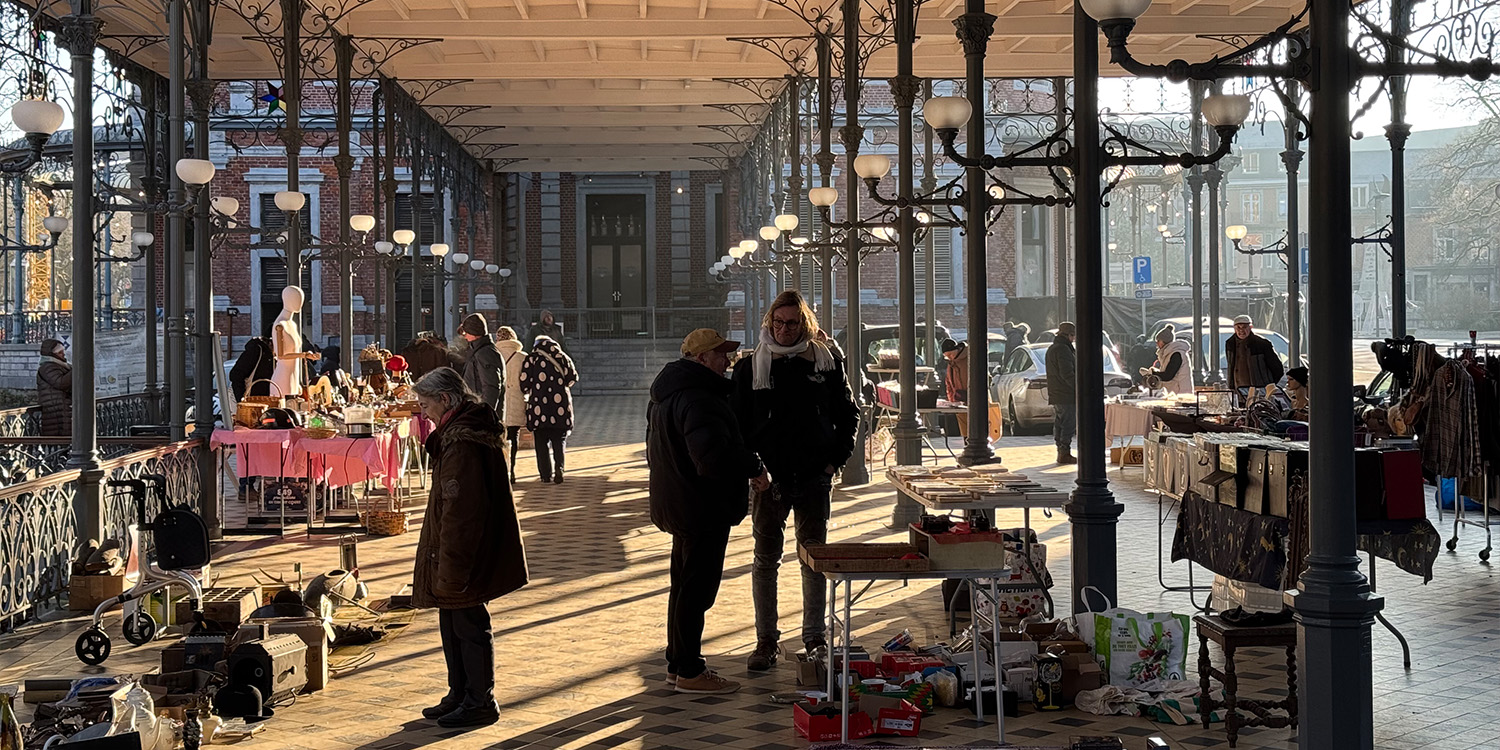
Traditionally held in a picturesque setting around the Galerie Léopold II in the center of Spa, this flea market has suffered due to the renovation of the gallery and the impact of COVID-19. Nevertheless, I include it here in the hope that it will soon regain its former size and charm.

The market takes place every Sunday from 7 AM to 2 PM. Items sold include second-hand goods and antiques. Parking can be challenging, prices are moderate.

Marché aux puces du Jeu de Balle, Brussels

every day

Place du Jeu de Balle, Brussels

This flea market is an absolute highlight and takes place daily from 9 AM to 2 PM at Place du Jeu de Balle, Brussels.

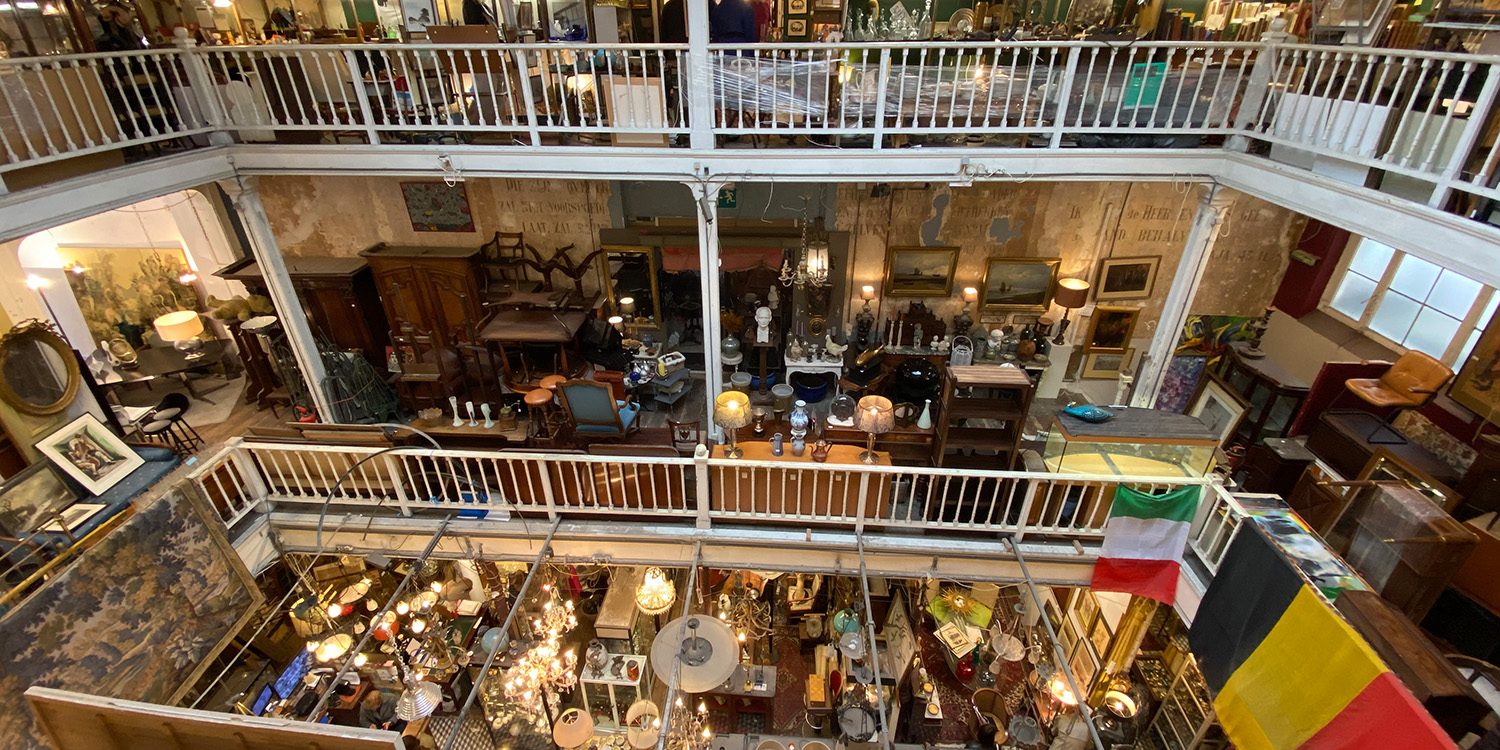
You’ll find second-hand goods and antiques at around 350 stalls. While the market itself has become very touristy, it’s situated in the heart of the fantastic antiques district between Marolles and Sablon. This area is home to dozens of antique shops – some small, some as large as department stores (see photo) – ranging from affordable to luxurious. You’ll also find rustic pubs and stylish cafés in the neighborhood.

For parking, the underground garage at Place Poelaert is ideal. From this elevated square, you can take an elevator down to the Marolles district.

Prices can be quite high. The market has become very touristy and the traders often come from countries where trading is done in a bazaar-like manner.

Ciney Puces

three times a year

Rue du Marché Couvert, Ciney

The flea and antique market in Ciney takes place three times a year over several days, from 10 AM to 6 PM.

It consists of three areas:

  1. The expo hall, where you’ll mainly find especially high-quality antiques such as statues, furniture, paintings, jewelry, and glassware.
  2. On the esplanade, there’s a small market offering a fairly mixed but high-quality range of goods.
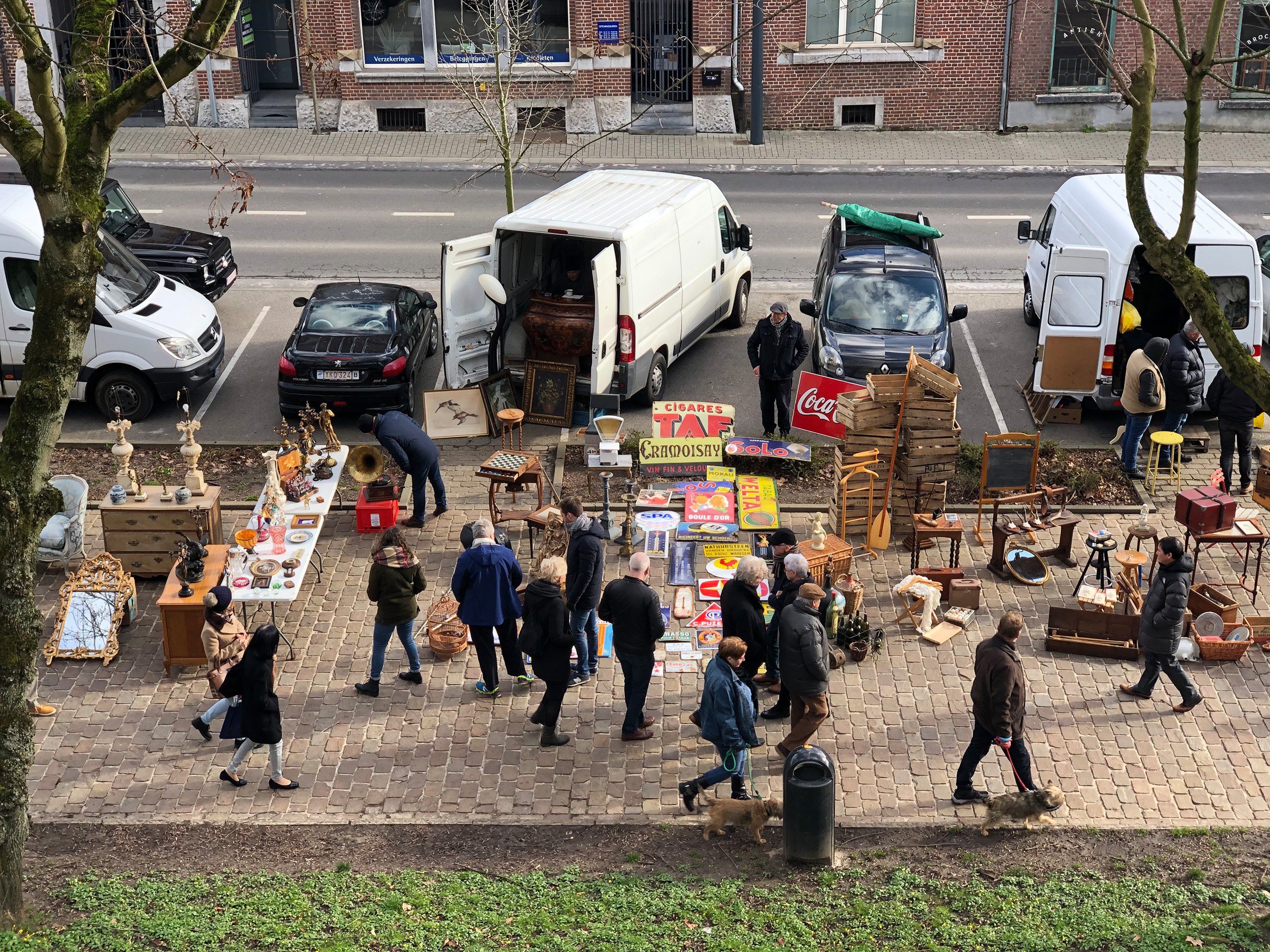
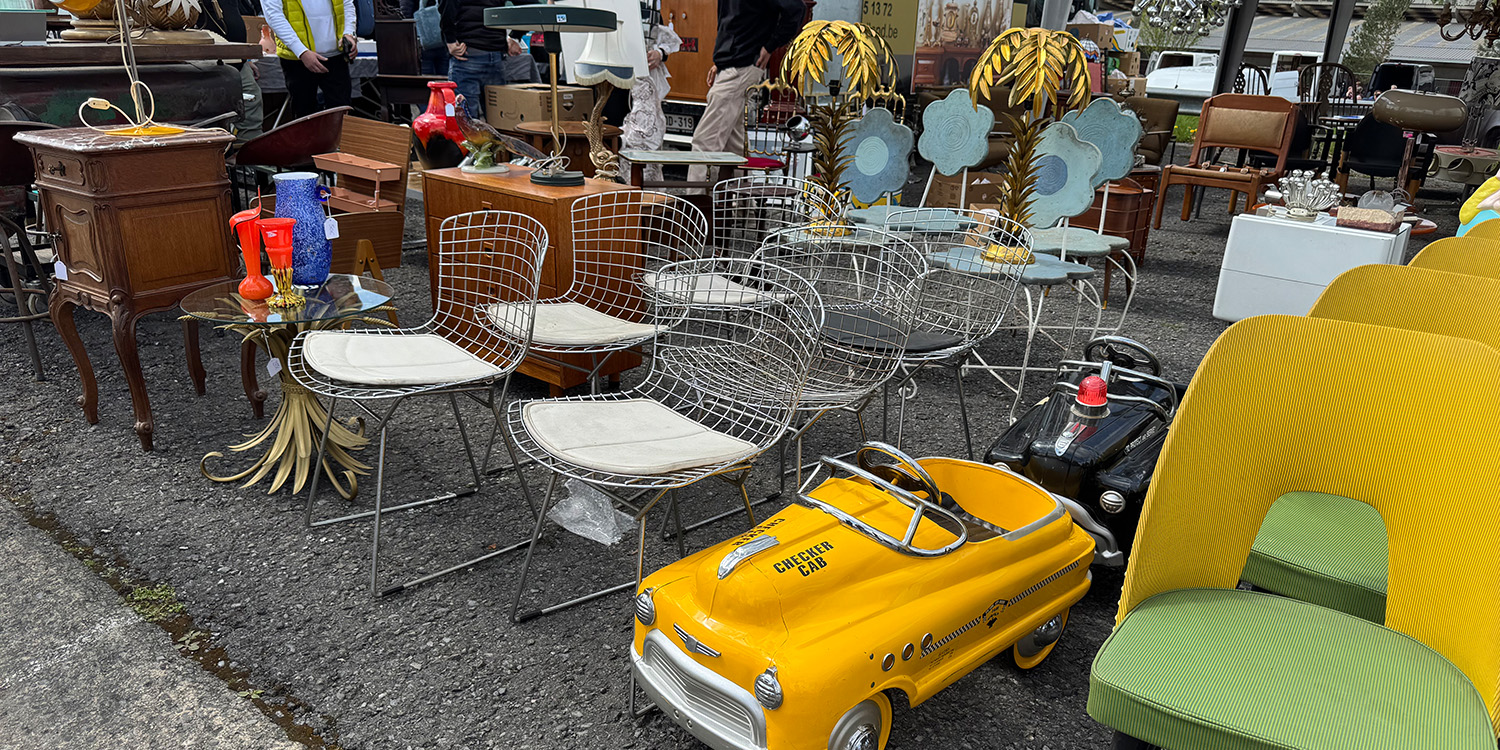
  3. What I find most interesting, however, is the “Déballage” on the surrounding car parks: On the first day, which is always a Friday, at exactly 2 PM, the gates open, the dealers rush to their vehicles, and begin unpacking their goods. Buyers wander among them, peeking into the transporters. After about 30 minutes, everything is set up, and the market continues until 6 PM. On the following days, there may be significantly fewer stalls, so the main day is Friday. You will find a wide range of high-quality goods, but the focus is on decoration and furnishings.

In total, there are around 500 stalls. Admission to the grounds is subject to a fee, but there is more than enough free parking available. Prices range from moderate to high, but are mostly reasonable.

Marché aux Puces du Vieil Arlon

first Sunday of every month from March to October

Grand Place, Arlon

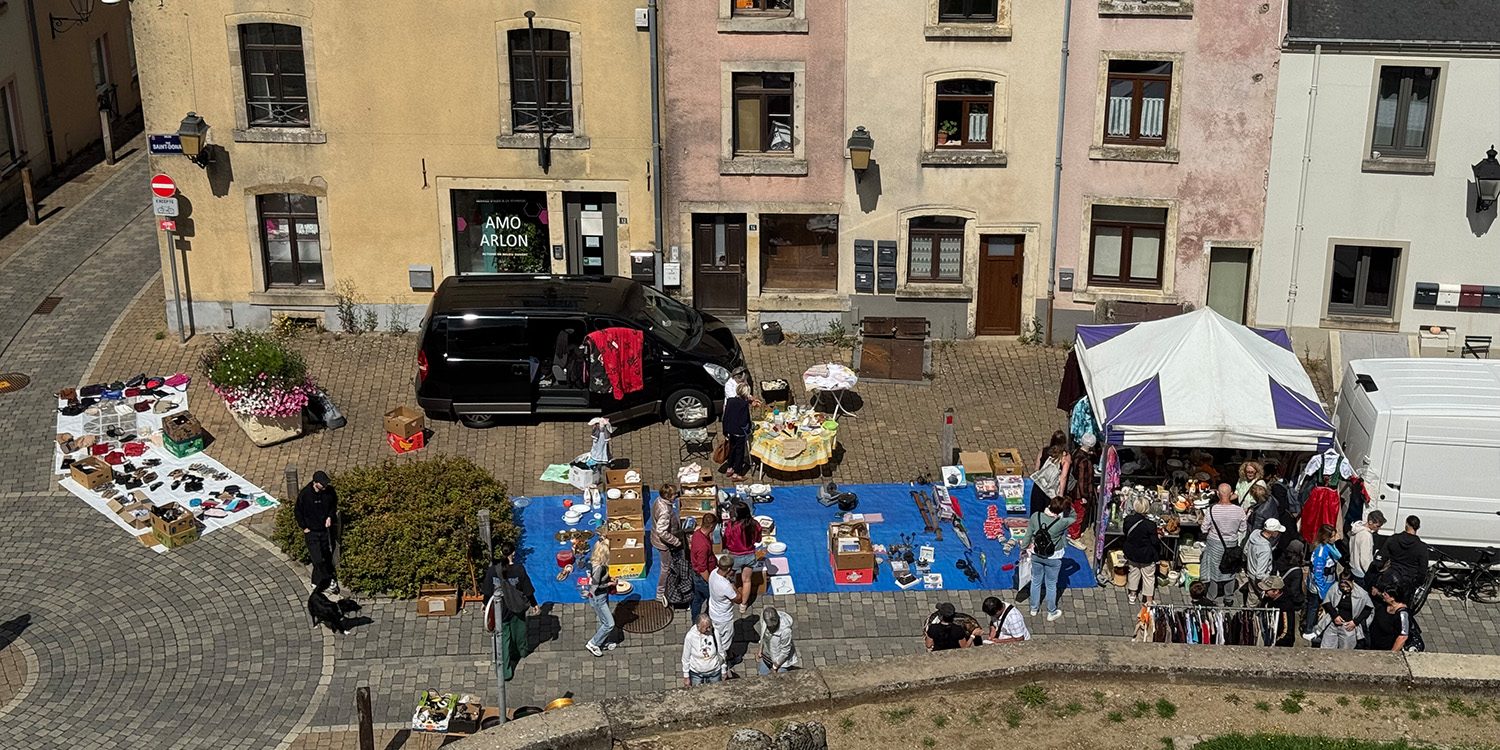
The flea market in Arlon takes place on the first Sunday of every month from March to October in the town center, and can be quite large in good weather.

There is a colorful and varied selection on offer, including goods for specialized collectors as well as true highlights.

A well-maintained underground parking garage is located beneath Place Léopold.

Prices are generally very moderate.

Brocante de Temploux

annually in August

Rue Arsène Grosjean, Namur

The flea market in Temploux (near Namur) is highly esteemed among collectors and takes place once a year in August (Saturday and Sunday) in the streets of the village.

The market focuses primarily on collectibles, with many specialized stalls. There are around 1,200 stalls spread over a 6-kilometer route, along with food stands and a lively program, including fireworks.

Plenty of parking is available, mostly on fields prepared by local farmers.

Prices are generally moderate to low.

The market can get extremely crowded, especially in good weather, but it is exceptionally well-organized, from parking to restrooms. Half the village pitches in to help!

Temploux is my favourite. Unfortunately, the market only takes place once a year.

Tips for Belgian Flea Markets

Dates: Always check online in advance. Even weekly markets can occasionally be cancelled, for example due to another event or a public holiday.

Offer / Attendance: Some markets are covered, but most are only partially or not at all. Light, intermittent rain is usually not a problem, but strong wind or unpleasantly cold weather can significantly reduce the number of stalls. Markets also tend to be quieter on holidays or during school breaks.

Opening hours: Most markets start earlier than the official time, and sellers often begin packing up before the listed closing time. If you’re looking for something specific, it’s best to arrive early.

Language: Depending on the region, Dutch or French – often English as well, or simply some hand gestures.

Bargaining: Prices are generally fair and realistic, but a polite and brief attempt to negotiate 10-20% off is usually acceptable – even if items are labeled with price tags. (Brussels is an exception: prices there often start high, and bargaining is more like a bazaar.) Don’t haggle if the price is already very good. Sometimes sellers will kindly refuse to negotiate if they’ve already offered their best price. In antique shops, bargaining is uncommon.

Payment: Bring enough cash, or locate a nearby ATM.

Bonus tips: Always ask for the price if you find something even halfway interesting – it’s often much lower than you’d expect. If you find something truly great, pick it up or talk to the seller right away – another interested buyer might appear out of nowhere.

You can find more markets and dates here.